
How Our Family Uses Baking Soda at Home
I've grown to like baking soda more and more. I never really cared for its taste in baking, but it has proven to be excellent on the cleaning side. Baking soda has many uses, and today I'm going to dig into everywhere it has helped our family and how we use it.
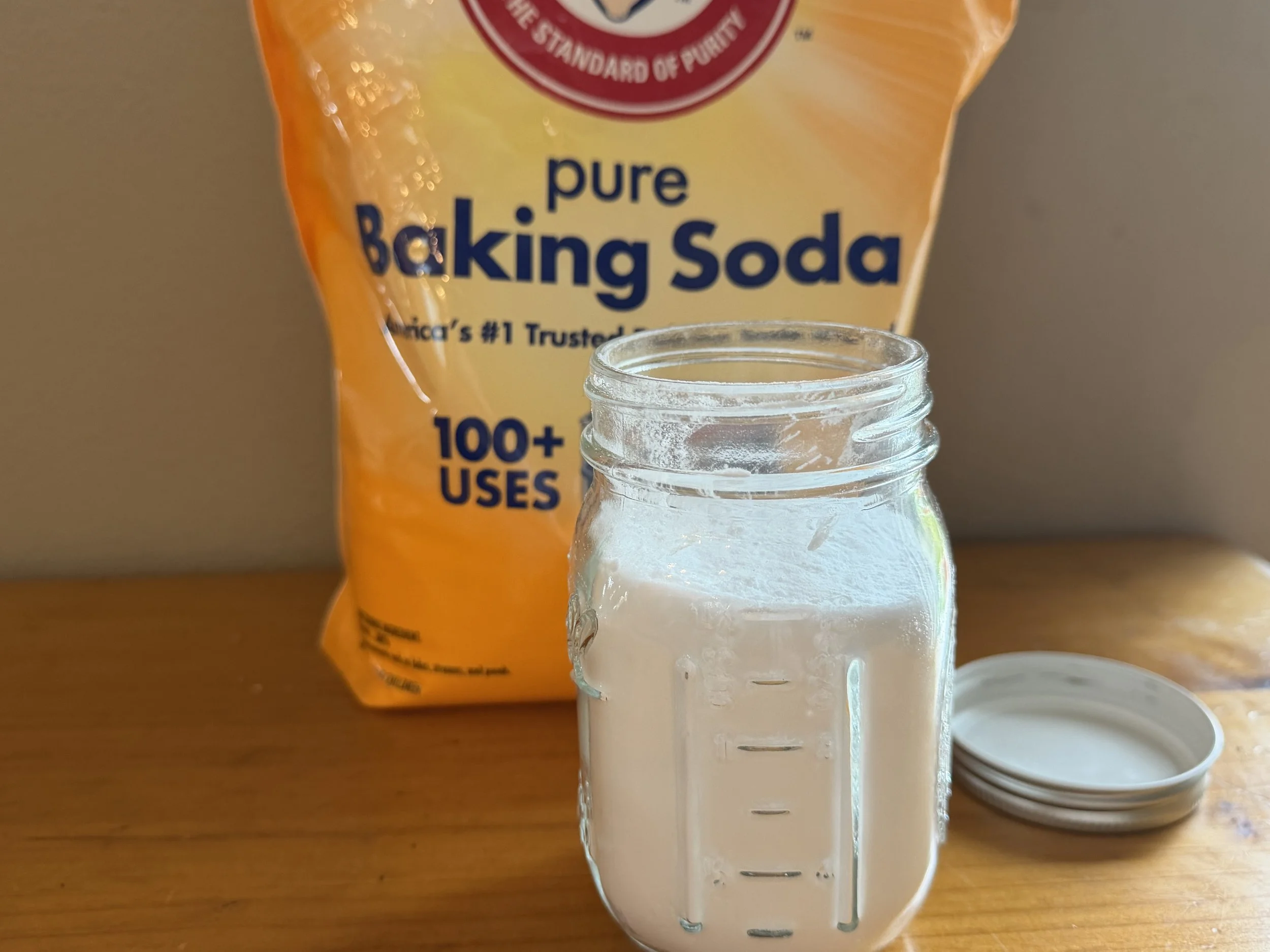
Baking Soda in the Kitchen:
Washing Vegetables:
Vegetables can be washed with baking soda if pesticides were used in growing them, while vinegar is better at killing mold and bacteria.
Hard vegetables like carrots, potatoes, and apples can be washed with baking soda by adding a teaspoon of baking soda to cold water and letting the vegetables soak for 12-15 minutes.
Washing berries with baking soda works like this:
Mix a teaspoon of baking soda into half a liter of water. Let soft berries soak for 0.5-1 minute, and firmer berries for 1-2 minutes. Lift the berries out. Don't drain them through a dirty strainer. Rinse thoroughly with cold water and dry carefully.
For reference, my family mostly eats organic berries, so if we've bought more than we'll eat within a couple of days, we use the vinegar method instead. I'll write another article about the vinegar method soon.
Cleaning the Kitchen Sink:
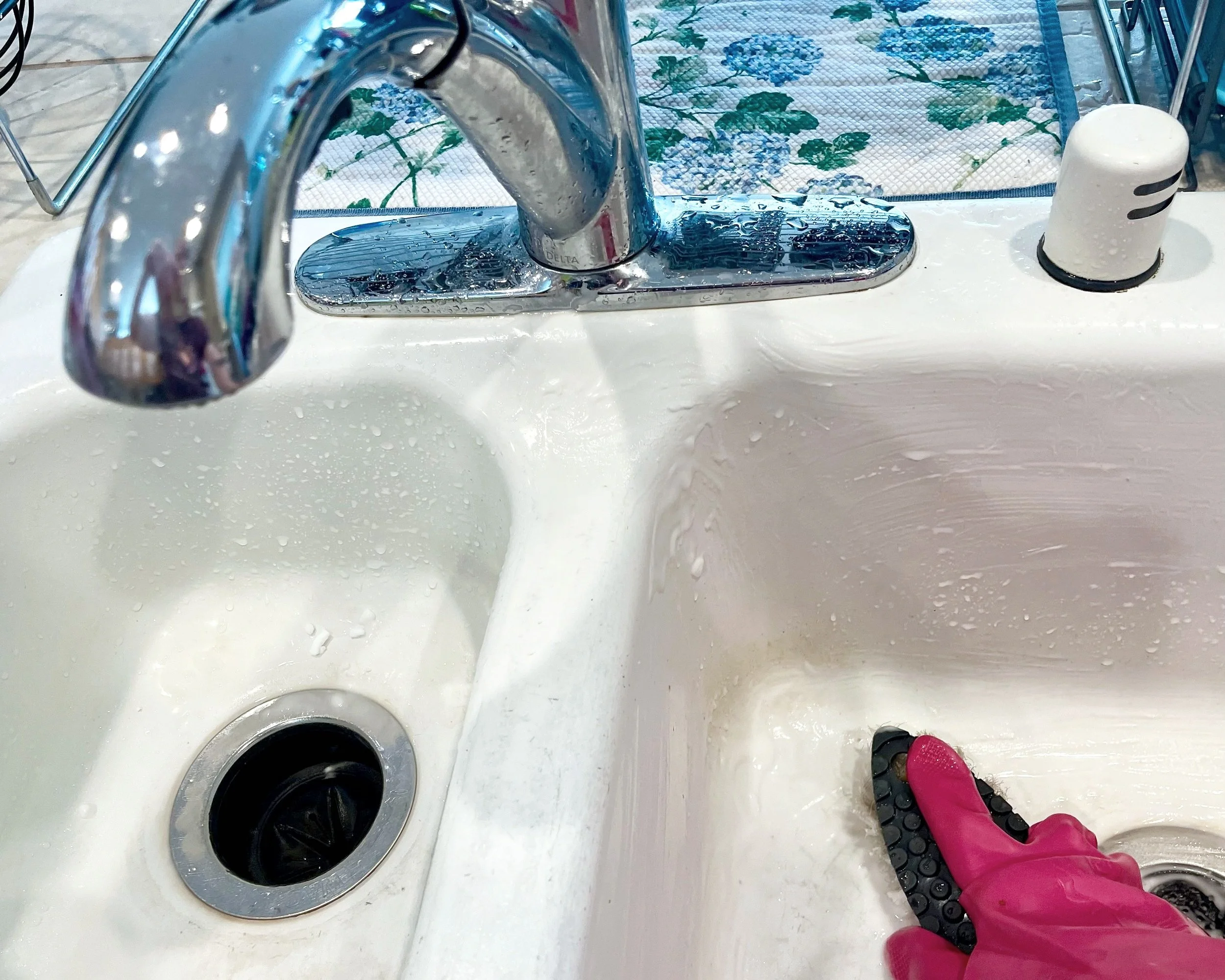
When I clean my sink thoroughly, I scrub it with baking soda and water, which together form a paste.
When the sink is dirty, for example from tomato sauce, I pour a couple of spoonfuls of a citrus baking soda mix (kept in a glass jar in my sink cabinet) into it and scrub the sink clean.
Citrus Baking Soda Mix:
1 cup baking soda
15 drops essential oil (orange/lemon)
Mix well.
Cleaning Pots and Pans:
When my frying pan burns on the bottom while cooking, I pour water and a bit of dish soap into it and put it on the stove to heat on the lowest setting while we eat, then clean it in the sink afterward.
If my pan or pot looks really bad, I make a paste of baking soda and water, add a little dish soap, scrub, and let it soak longer (even overnight) if it's really blackened. Then I scrub it again and repeat if I'm not satisfied right away.
How to Make Dish soap:
You can find the recipe for homemade dish soap in my article Homemade Hand Soap and Dish Soap: Save Your Hands and Your Wallet. I use washing soda in that recipe, and you'll find the instructions for it in the same article.
Cleaning the Oven:
Here's how to clean your oven naturally with baking soda:
Prep the oven: Make sure your oven is completely cool. Remove the racks, thermometer, and any loose crumbs from the bottom.
Mix ½ cup baking soda with a small amount of water, spoonful at a time, until it forms a spreadable paste resembling cake frosting. Add a squirt of dish soap.
Wear rubber gloves and spread the paste over the oven's interior surfaces (bottom, sides, ceiling, glass door, corners), avoiding direct contact with the heating elements and fan openings. The paste may turn brown as it dissolves grease.
Close the oven door and let the paste sit for 8 to 12 hours (or overnight).
Wipe the dried paste away with a damp cloth or sponge and warm water. Use a plastic spatula if needed to loosen stubborn, stuck-on grease. Avoid abrasive wiping and do not use metal.
Spray vinegar over any remaining baking soda residue. The vinegar will fizz on contact and help lift any lingering film.
Wipe the interior one more time with a clean, damp cloth, let it dry, and put the clean racks back in.
Here's a great video on YouTube about how to clean your oven:
Baking Soda in the Bathroom:
Cleaning the Toilet:
You can clean the toilet naturally by pouring some baking soda and few drops of dish soap into the bowl and scrubbing it clean with a toilet brush after a few minutes.
Cleaning the Shower:
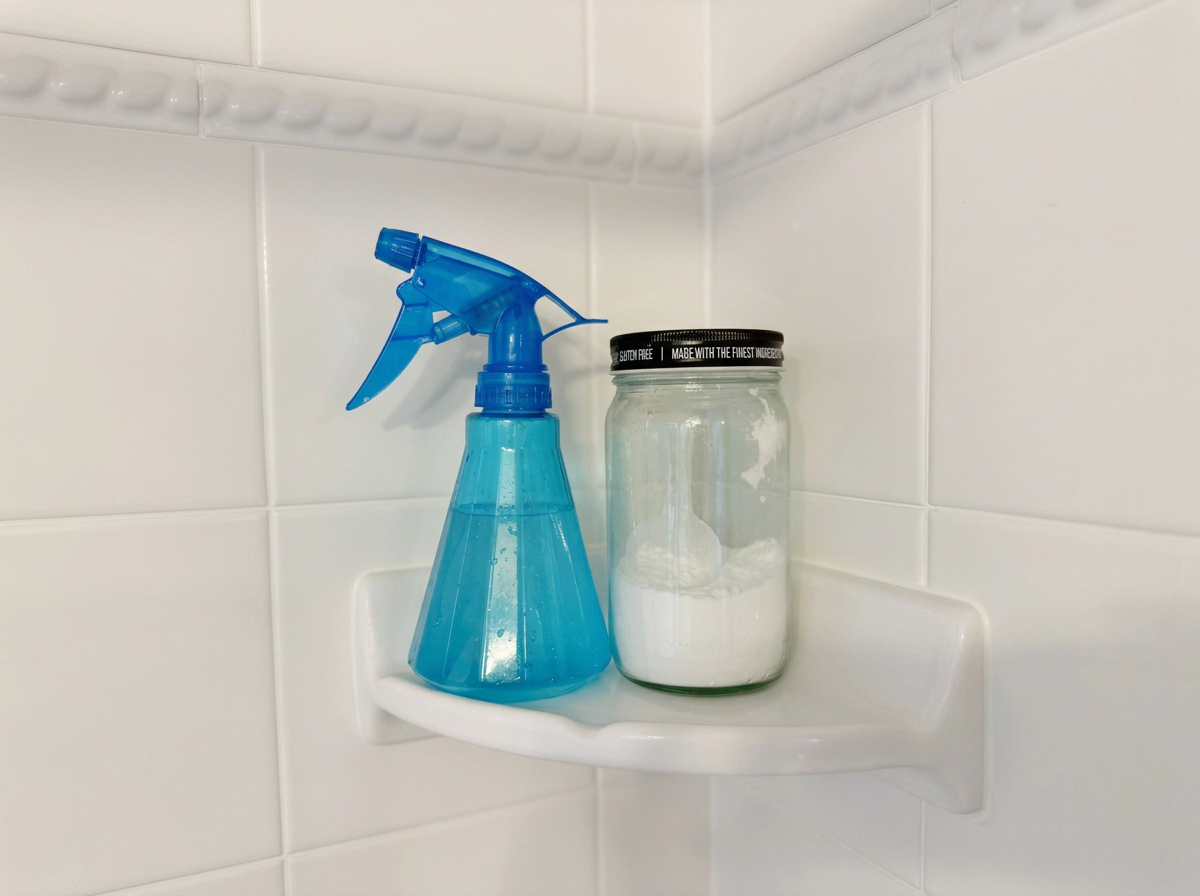
We keep a spray bottle mix that I spray on the walls after every shower. When I do a deeper clean of the shower area, I spread baking soda paste on any blackened spots and let it sit for 15-30 minutes. Then I scrub and rinse. Pink bacterial stains come off easily, but black mold stains are harder to clean. Even though I haven't managed to get the black spots completely gone, I've noticed they're at least not as bad as they started out.
Shower Cleaning Mix:
1 cup baking soda
15 drops essential oil (tea tree or peppermint)
Mix well and store in a glass jar in the bathroom. Use for both the spray bottle and mold spots.
Spray Bottle Mix:
1 ¼ cup water
3 tsp shower cleaning mix
Mix well and shake before each use.
Baking Soda as an Odor Remover
Laundry Deodorizer:
Add 1 dl baking soda directly into the washing machine drum on top of the laundry along with your regular detergent to boost cleaning power. Baking soda helps remove odors caused by sweat and mildew, and brightens colors. (Note: washing soda is a different chemical compound than baking soda, and while it's also used in laundry as an effective grease and dirt remover, it's a corrosive substance and requires more caution than baking soda. This guide uses baking soda specifically, not washing soda.)
Fridge Deodorizer:
You can place baking soda and essential oil in a glass container in the fridge to neutralize odors.
1 cup baking soda
5-10 drops essential oil (lemon, orange). Essential oils can, however, easily transfer into foods that absorb odors readily, like butter and cheese, so it's generally best to use plain baking soda and add essential oils only when needed.
Mix well and cover with paper towel secured with a rubber band.
Baking soda clumps easily, so shake it weekly and replace it every 3-4 weeks.
Carpet Deodorizer:
Vacuum the rug. Then sprinkle a thin layer of baking soda over the dry rug and let it sit for 15-30 minutes. Keep pets and kids off the rug. Vacuum thoroughly.
Note: Test it in a corner of the rug first.
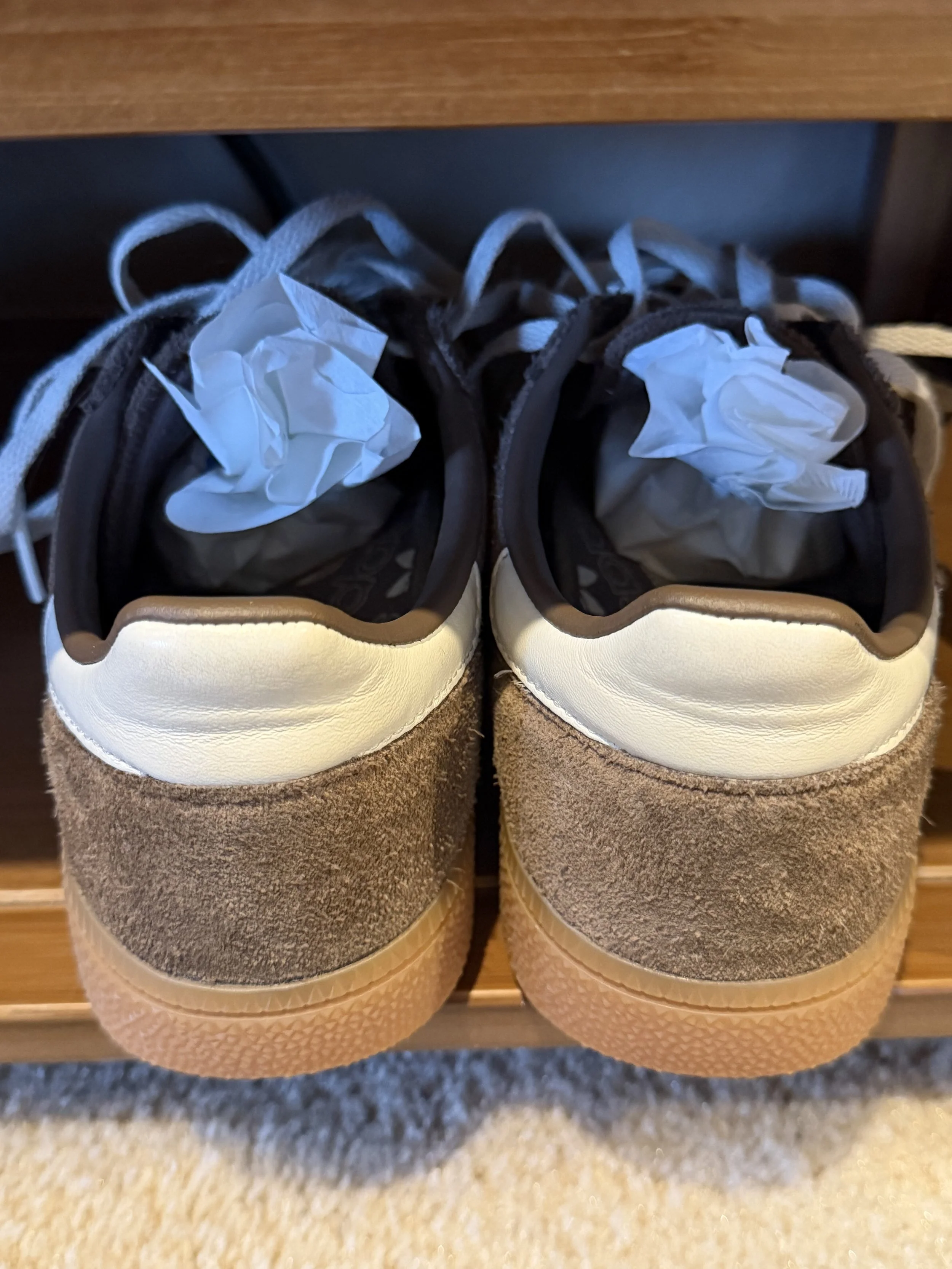
Shoe Deodorizer:
Put 2 tbsp of baking soda into a coffee filter and tie it into a little pouch with a rubber band. Let it sit in the shoe overnight, at least 12 hours. You can also add 5 drops of essential oil if you want (cedarwood, tea tree, lavender). You can reuse the same little pouch for about a month, just add a bit more scent partway through.
Baking Soda in Beauty and Skincare:
Homemade Deodorant:
You can make a finger-applied deodorant yourself like this:
You'll need:
¼ cup cornstarch (absorbs moisture/sweat)
¼ cup baking soda
2-3 tablespoons coconut oil (acts as a moisturizing, antibacterial base)
5-10 drops essential oil (lavender/tea tree)
A small glass jar or reusable storage container
Combine the dry ingredients: Put ¼ cup baking soda and ¼ cup cornstarch into a small bowl or directly into your storage jar. Mix well with a spoon.
Add the base oil: Stir in 2 tablespoons of coconut oil. Mash and stir the mixture until it's smooth, creamy, and paste-like. If it feels too dry or crumbly, add another half-tablespoon of coconut oil.
Add scent (optional): Drop in about 5-10 drops of your favorite essential oil and stir thoroughly.
Note: Essential oils can cause skin irritation in some people, so use them sparingly and choose well-tolerated oils like lavender or tea tree.
Store and set: Cover the jar with an airtight lid. Let it sit at room temperature or place it in the fridge for about an hour to firm up.
How to use:
Dip a clean finger into the jar and scoop out a pea-sized amount. Warm it between your fingers and gently rub it directly into your underarm skin until it absorbs.
Note: Baking soda-based deodorants don't work for everyone. Baking soda can sometimes cause redness or irritation, especially if applied right after hair removal. If you experience stinging or a rash, try reducing the amount of baking soda.
Homemade Dry Shampoo:
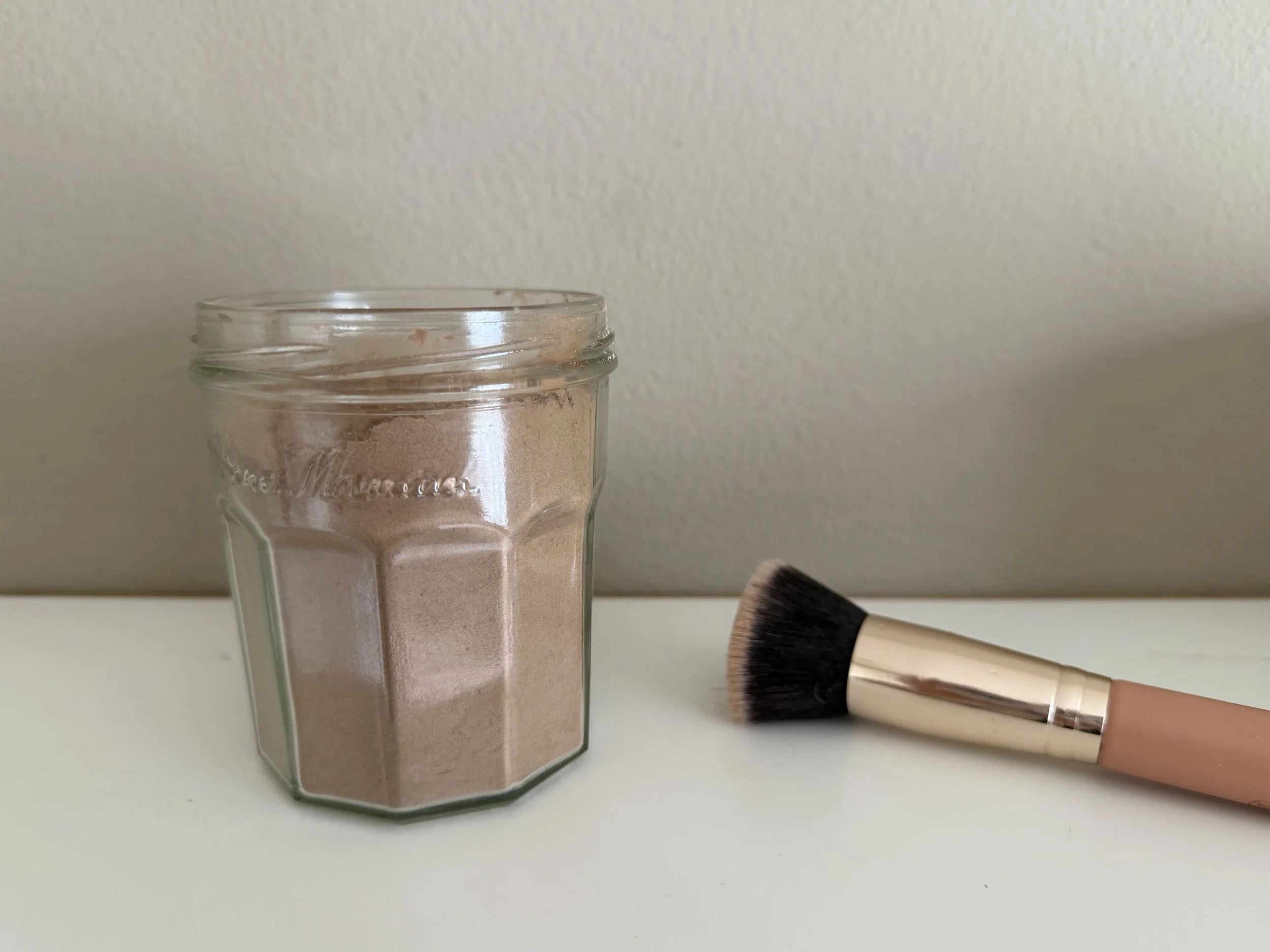
Make your own dry shampoo by mixing equal parts baking soda and cornstarch. If your hair is dark, mix in a small amount of pure cocoa powder.
Sprinkle a very small amount directly onto your scalp using a makeup brush, over the sink.
Gently massage the scalp and let sit for 5-10 minutes.
Brush hair thoroughly.
If your scalp is sensitive, it's best to skip the baking soda and use only a small amount of cornstarch.
Baking soda is one of those rare products you'll find in both our kitchen cabinet and our bathroom shelf. It's cheap, simple, and incredibly versatile. I hope you picked up a few new tips to try out in your own home! Let me know in the comments what you use baking soda for, and if any of these tricks make you want to give them a try.
