
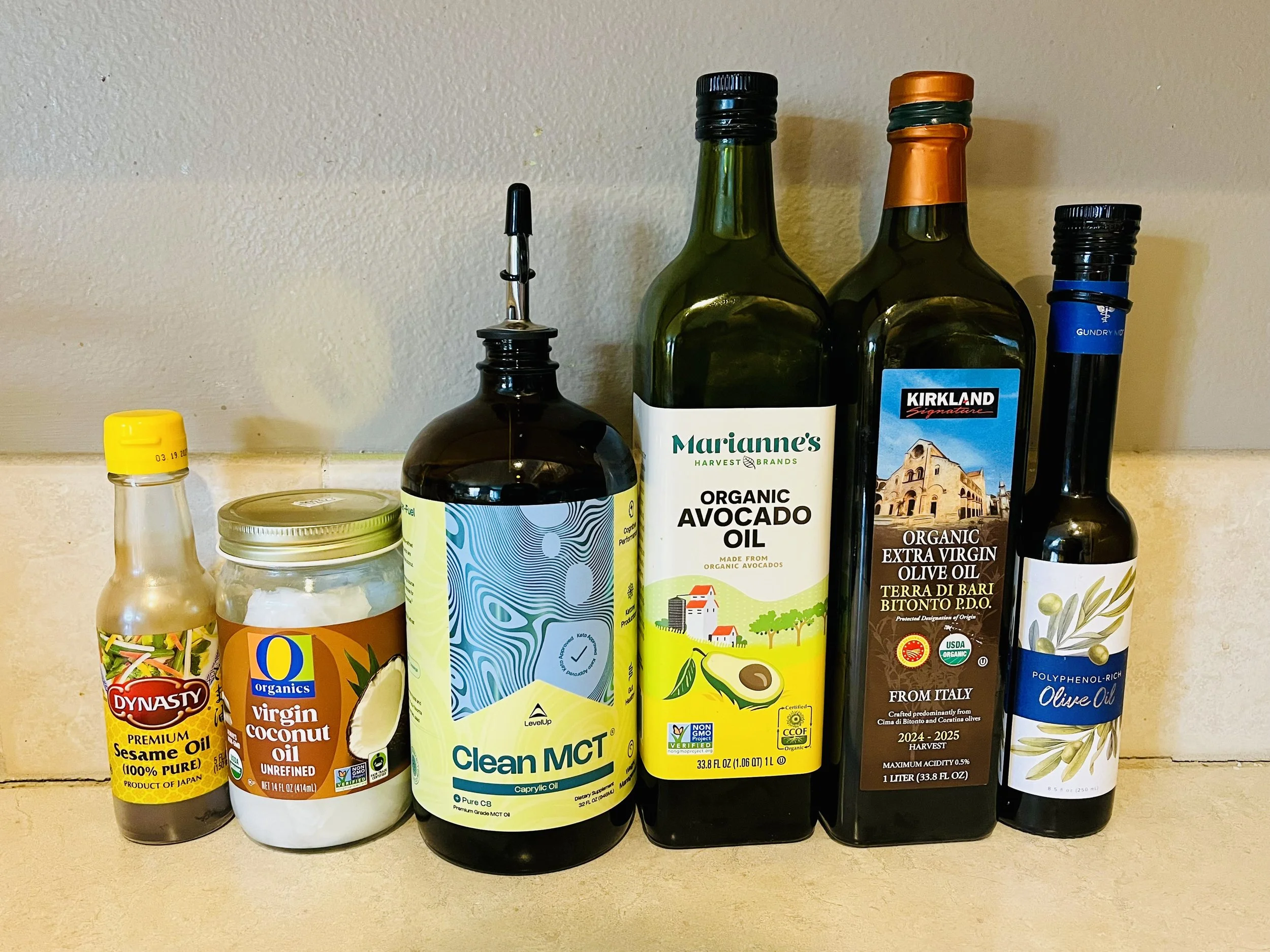
A few decades ago, when I was young kid, oils and fats were considered the villains of nutrition. They were something to avoid at all costs. The fat-free craze was in full swing. At school lunches, margarine spreads were preferred over butter, and skim milk appeared alongside whole and low-fat options.
Of course, I eagerly joined the trend. At home, we switched to skim milk and fat-free cheese. We used as little oil as possible in cooking.
Now my daughter is the same age I was back then and is learning to cook, just like I once did. I watch her enthusiasm with happiness and feel grateful that she has access to much more knowledge than I did at that time.
Back then, the health effects of fats were viewed mainly through the lens of cholesterol. The importance of overall dietary patterns was not understood as broadly as it is today. Fat was considered a central risk factor for disease and obesity. In low-fat products, sugar and starch were often added to replace fat so the taste would remain appealing and products would continue to sell.
Today we understand that the problem was not fat itself — but highly processed foods and excessive sugar. The fear of fat has gradually shifted toward a more critical view of added sugar.
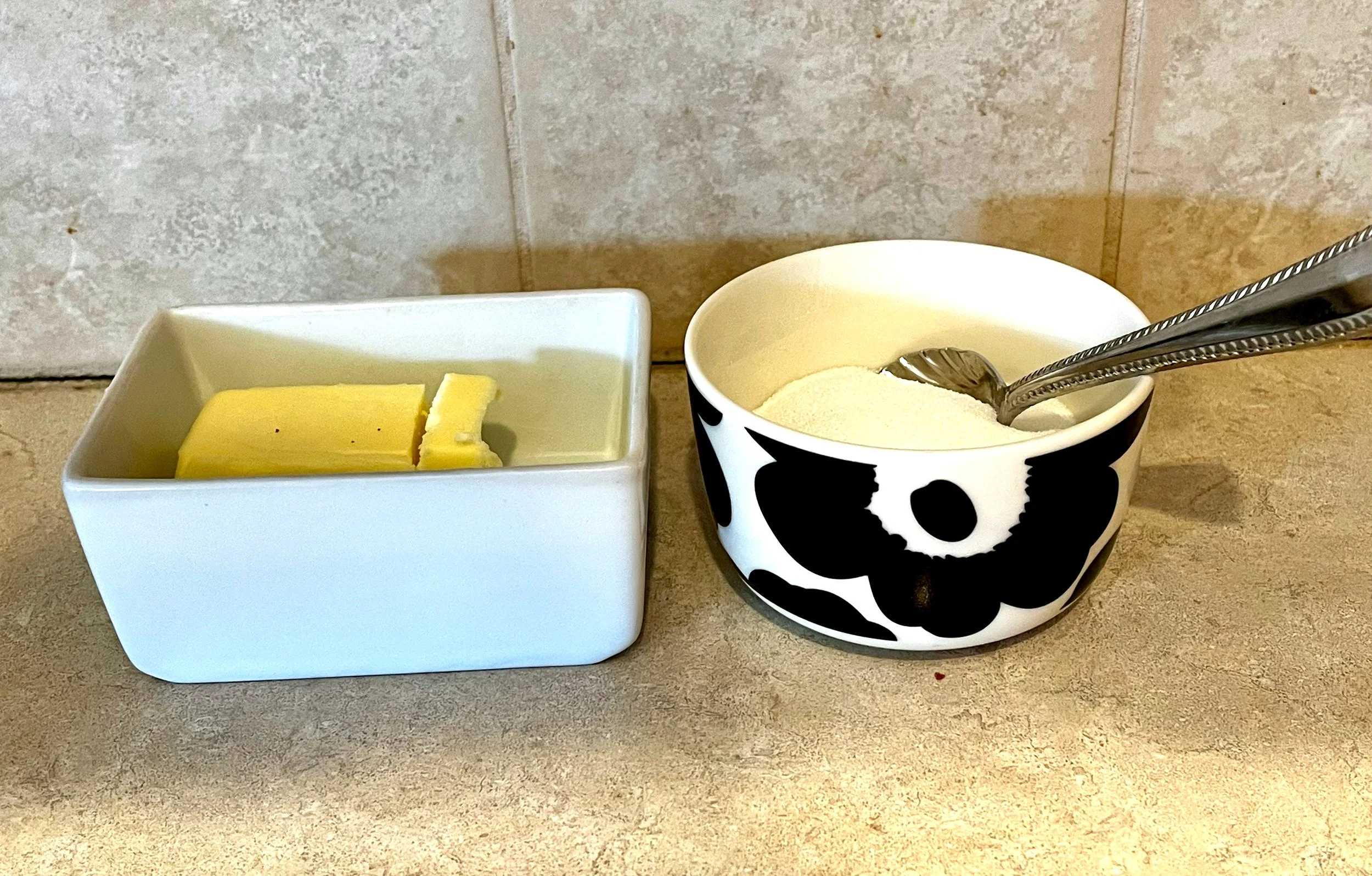
Why Fat Doesn’t Need to Be Feared
Sugar primarily burdens metabolism through insulin and the liver. It raises blood glucose quickly and, over time, may reduce insulin sensitivity and promote fat storage.
Fat, on the other hand, does not directly raise blood sugar or trigger an insulin response in the same way rapidly absorbed carbohydrates do. A moderate amount of high-quality fat generally places less strain on metabolism than a diet high in added sugar.
Rapidly absorbed carbohydrates cause blood sugar to spike quickly and then drop sharply, often leading to hunger soon after. Fat slows gastric emptying, increases satiety, and can moderate blood sugar spikes when eaten together with carbohydrates.
For example, pairing fast-digesting carbohydrates such as white bread with a healthy fat like avocado can slow glucose absorption and result in a more gradual rise in blood sugar. However, fat does not neutralize large amounts of sugar, and excessive energy intake from any source can contribute to weight gain.
The Importance of Omega-3 and Omega-6 Balance
Not all calories behave the same way in the body, and some fats have even been shown to be protective. These include unsaturated fats found in olive oil, nuts, seeds, and fish. The least beneficial fats are industrial trans fats and highly processed fats found in ultra-processed foods.
There is also ongoing discussion about the health effects of processed seed oils that are high in omega-6 fatty acids. These include corn oil, soybean oil, sunflower oil, safflower oil, grapeseed oil, peanut oil, cottonseed oil, rice bran oil, and generic vegetable oil blends. Much of this discussion relates to the fact that most commercial seed oils are chemically extracted, refined, bleached, deodorized, and exposed to high heat during processing, which may influence their stability and susceptibility to oxidation. Concerns also center on overall omega-6 to omega-3 balance and the role these oils play in modern ultra-processed diets.
Both omega-3 and omega-6 fatty acids are essential fats and important structural components of cell membranes, including those in the brain. However, modern Western diets tend to provide far more omega-6 relative to omega-3 than is considered optimal.
An imbalance between omega-6 and omega-3 fatty acids may contribute to low-grade chronic inflammation, which has been associated with cardiovascular disease and metabolic disorders. For this reason, it is important to include sufficient omega-3 fatty acids in the diet, as maintaining balance between these two appears to play a role in regulating inflammation.
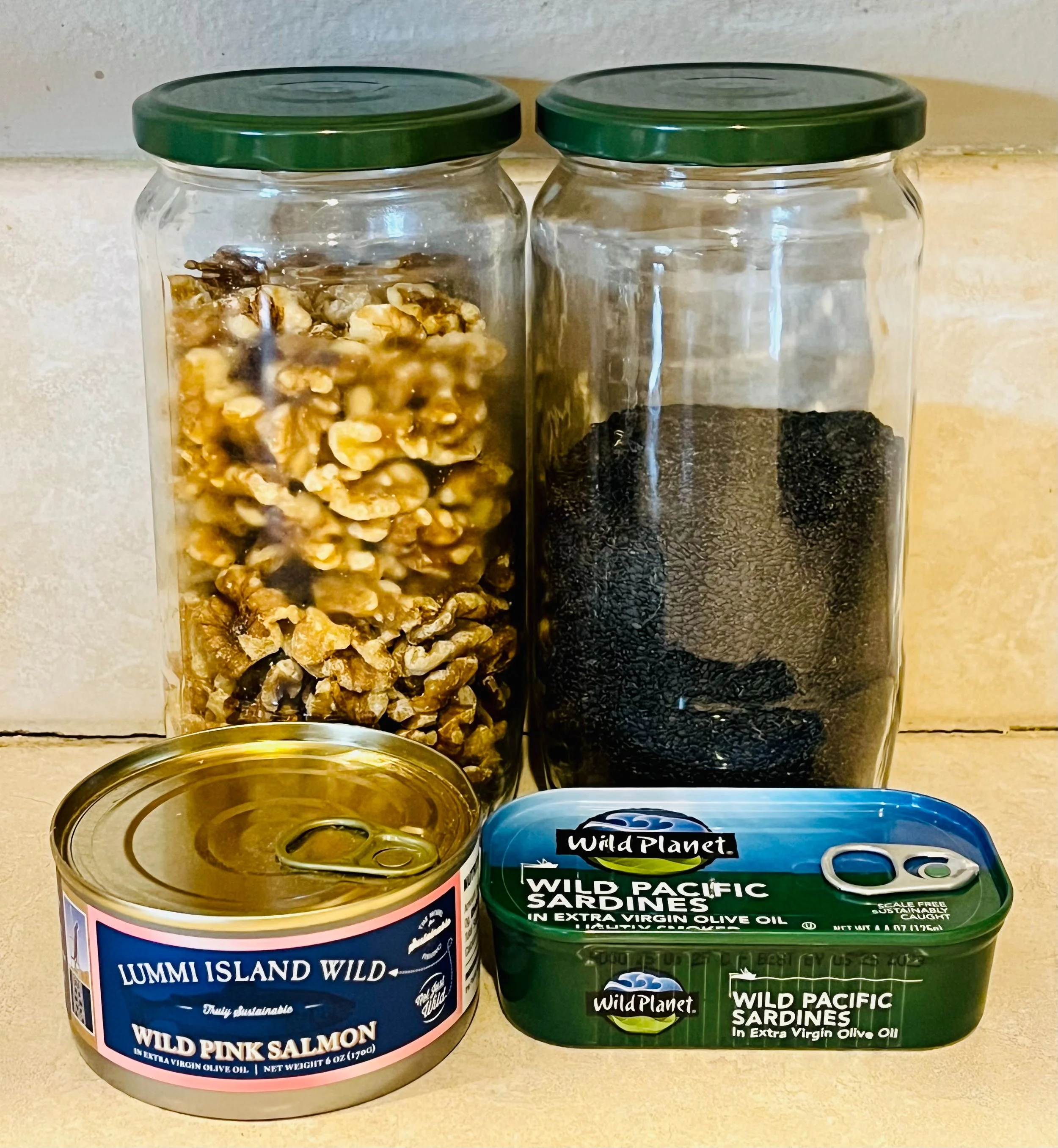
Good sources of omega-3 include fatty fish such as salmon, herring, mackerel, and sardines, as well as ground flaxseed, chia seeds, walnuts, and organic canola oil.
Healthy Oils for Cooking
Extra Virgin Olive Oil
Olive oil is made by pressing or crushing ripe olives to extract the oil from them. Cold-pressed extra virgin olive oil contains high levels of polyphenols, which are antioxidant compounds found in plants that support gut health and may help the body manage inflammation. Cold pressing means the oil is extracted without high heat or chemical solvents. This helps preserve polyphenols, vitamin E, and the oil’s natural aromatic compounds. Cold extraction also reduces oxidation.
Olive oil is best purchased in a small, dark glass bottle, as light weakens its quality and nutrient stability. It is also wise to pay attention to freshness and origin: oil from a single country or a single producer is often higher in quality than blends sourced from multiple regions.
Olive oil is an excellent choice for everyday use at the table. It can be drizzled over salads, soups, pasta, or bread. Thanks to its polyphenol content, high-quality olive oil is also suitable for normal sautéing, as long as the heat remains moderate and the oil is not heated to its smoke point. However, due to its relatively lower smoke point, olive oil is not ideal for deep frying.
Avocado Oil
Avocado oil has a fatty acid profile very similar to olive oil. Both are heart-friendly fats rich in monounsaturated fatty acids, with moderate omega-6 content and low omega-3 levels. Avocado oil is made from the flesh of the avocado.
One advantage of avocado oil is its higher smoke point compared to olive oil, making it suitable for a wider range of cooking methods. When cold-pressed, avocado oil also better preserves its natural antioxidants and nutrients. Its flavor is more neutral than olive oil, making it ideal for dishes where a strong aroma is not desired.
Organic Canola Oil (Rapeseed Oil)
Canola oil is produced from rapeseed, but its fatty acid composition differs from many other industrial seed oils. It contains a high amount of monounsaturated fatty acids, as well as both omega-6 and omega-3 fatty acids. Its omega-6 to omega-3 ratio is considerably more balanced than that of corn oil or sunflower oil.
In Europe, rapeseed cultivation is strictly regulated, and canola oil can be safely included as part of a balanced diet. In the United States, canola is often genetically modified and glyphosate is commonly used in its cultivation, which is why choosing organic canola oil may be preferable for some consumers.
The French Lyon Diet Heart Study found that a Mediterranean-style dietary fat profile that included canola oil was associated with a significantly lower risk of cardiovascular disease. In the study, a fat composition rich in alpha-linolenic acid (omega-3) significantly reduced the risk of recurrent heart attacks and other serious cardiac events.
Virgin Coconut Oil
Virgin coconut oil is made from fresh coconut flesh. Unrefined virgin coconut oil is produced without chemical processing, bleaching, or intense heat, which helps preserve its natural protective compounds.
Coconut oil contains a high amount of saturated fat, including medium-chain fatty acids, particularly lauric acid. At room temperature, coconut oil is typically solid and it tolerates heat well. It works especially well in baking, frying, and Asian-style dishes.
Although unrefined virgin coconut oil is less processed than refined coconut oil, it can still raise total cholesterol levels. Studies have shown that virgin coconut oil increases HDL cholesterol (often referred to as “good” cholesterol), which may improve lipid ratios. However, it may also raise LDL cholesterol to some extent, which is why it is generally not recommended as the sole fat source in the diet.
In recent years, cholesterol assessment has become more nuanced. Instead of focusing solely on LDL levels, greater attention is now given to LDL particle number and ApoB levels, which better reflect the number of artery-burdening particles in circulation. However, there is still limited research on how coconut oil affects these more specific risk markers. For this reason, coconut oil is best used as part of a varied fat intake rather than as a primary “health oil”.
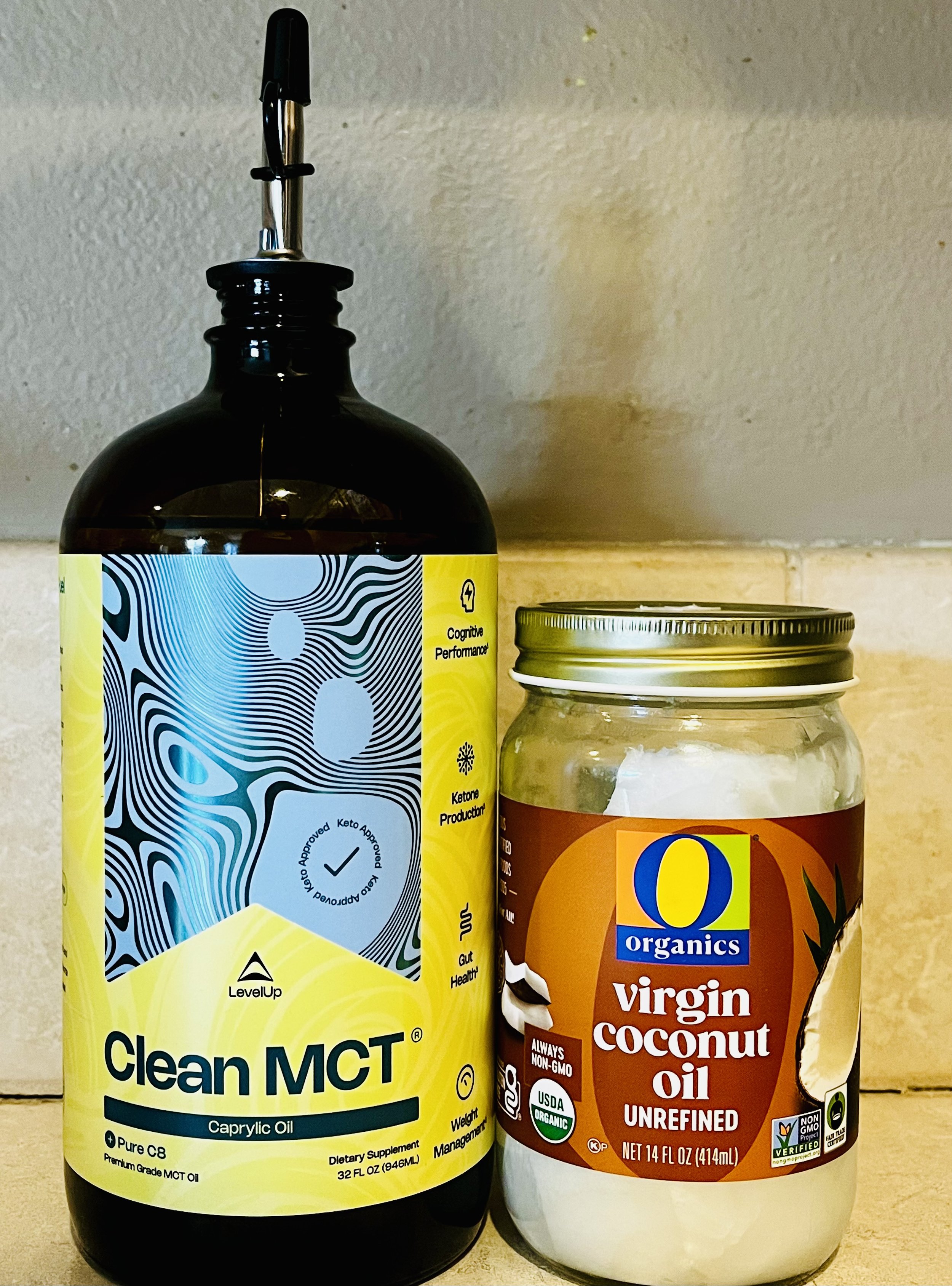
What is MCT-oil?
MCT oil is produced from coconut or palm oil by isolating medium-chain fatty acids (C8 and C10). It is rapidly absorbed and functions as a quick source of energy in the body. MCT oil does not contain omega fatty acids and does not replace a diverse intake of dietary fats.
Perilla Oil
Perilla oil is pressed from the seeds of the perilla plant and is commonly used in Korean and Japanese cooking. It is one of the richest plant sources of omega-3 fatty acids (ALA).
Perilla oil is traditionally used for heart health, cognitive function, and overall inflammatory balance. Some people also use it during allergy season, and it can be applied topically for dry skin and eczema.
Perilla oil has a nutty, grassy flavor and a low smoke point, so it’s best used in cold dishes or added after cooking. It goes well in salad dressings, drizzled over roasted vegetables, or stirred into rice and noodle dishes.
When buying perilla oil, choose a cold-pressed oil in a dark glass bottle to help protect it from oxidation.
Sesame Oil
Sesame oil is made from pressed sesame seeds and is commonly used in Asian and Middle Eastern cooking. It has a rich, nutty flavor and is often used to add depth to dishes rather than as a primary cooking oil.
Sesame oil contains antioxidants and healthy fats that may support heart health and overall wellness.
There are two main types: untoasted light sesame oil and toasted sesame oil. Light sesame oil is in a more natural state and can be used for cooking, while toasted sesame oil is roasted at high temperatures and is best used as a finishing oil in dressings, stir-fries, soups, and noodle dishes.
When buying sesame oil, choose a high-quality oil in a dark glass bottle and store it in a cool place to help preserve freshness.
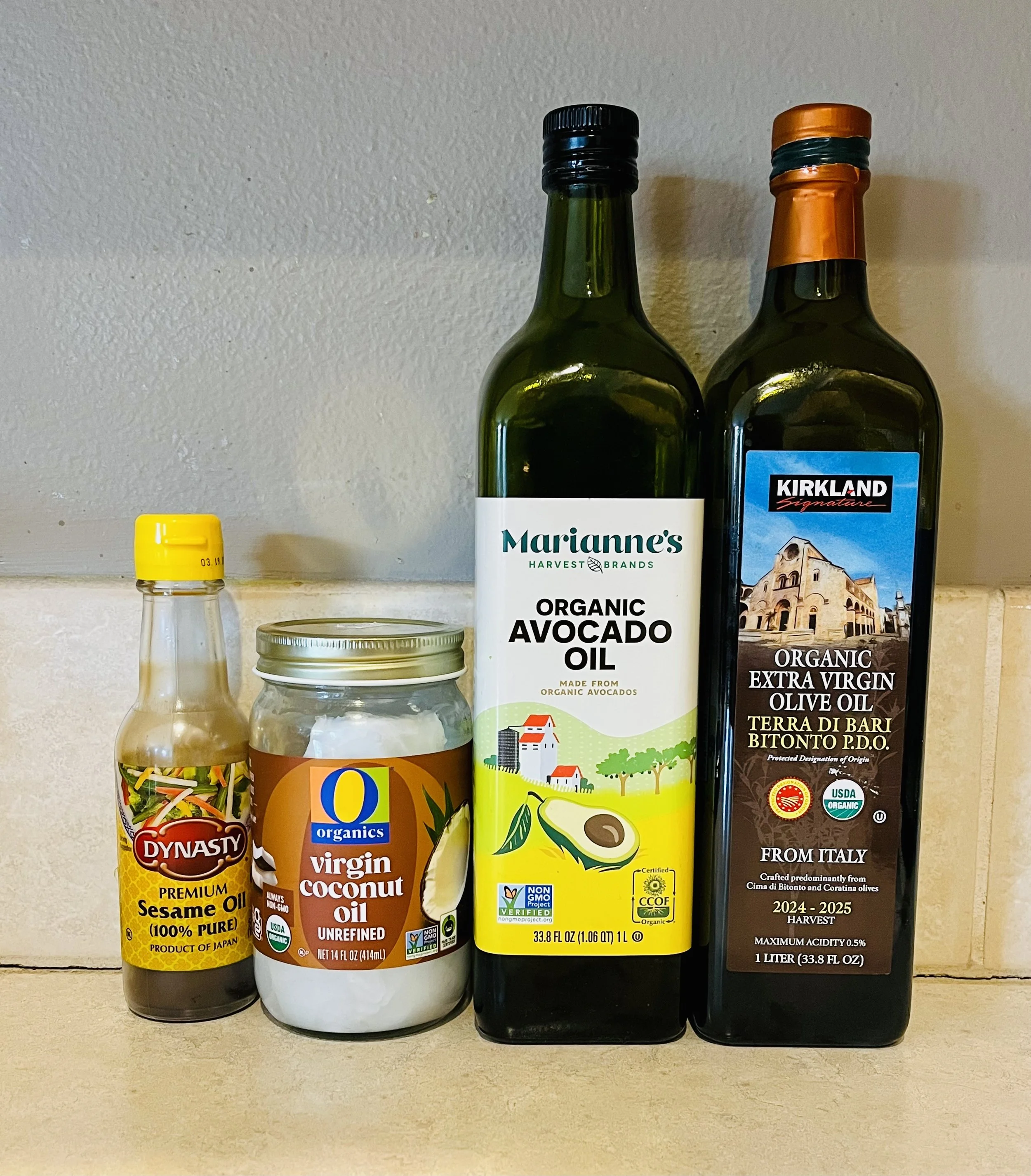
Fats for Everyday Use
Olive oil and organic canola oil are the best basic oils for everyday use. Olive oil works well for salads and as an everyday table oil. For heating in a pan or oven, avocado oil and organic canola oil are the most suitable, while olive oil can also be used at lower temperatures.
Coconut oil is a good option for baking. Omega-6-rich sesame oil and omega-3-rich perilla oil are also worth trying and add an Eastern flavor to dishes. MCT oil is mainly suitable as a supplement, for example added to coffee for those following a keto or low-carbohydrate diet.
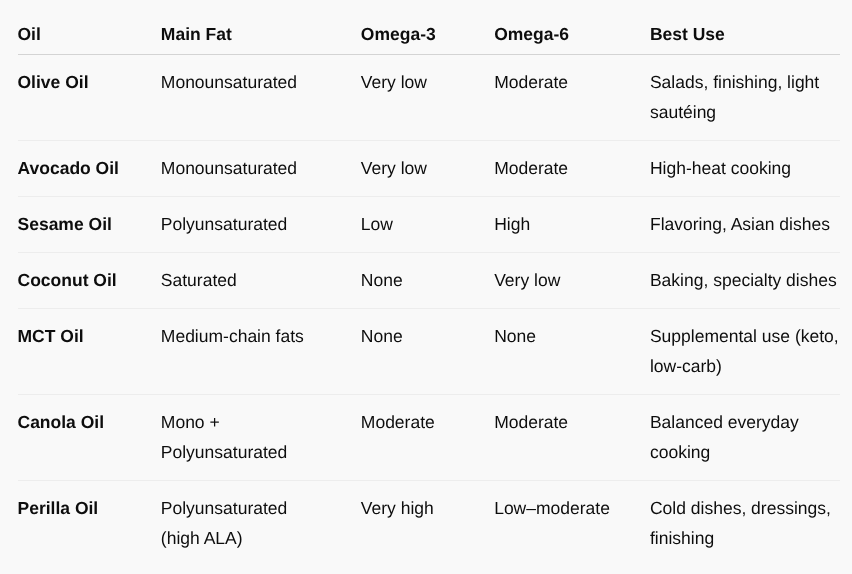
Healthy Kitchen Oils
Balance and the Bigger Picture Matter Most
Quality, processing, and overall balance matter more than any single fat. We don’t need to make fat choices complicated, nor do we need dozens of different oils for cooking. A few high-quality staple fats are enough.
When we keep a small selection of good options at home and focus on the bigger picture, we can cook confidently for ourselves and our families. In this area too, balance works better than extremes.
What matters most is the overall pattern: minimally processed foods, sufficient omega-3 fatty acids, and a varied selection of fats. High-quality olive oil on the family dinner table and home-cooked meals as part of everyday life — and we are already on the right track.
“One cannot think well, love well, sleep well, if one has not dined well.”
〰️
“One cannot think well, love well, sleep well, if one has not dined well.” 〰️
See my other Nutrition articles here:



← Back to: Home

Healthy eating doesn’t have to be complicated. In this post, I share how we build balanced meals with protein, fats, and carbohydrates—and what our family actually eats in everyday life.