
Real food, simple meals, and the principles our active family lives by
As a mom constantly running from one activity to another with two children, I’ve come to realize just how important healthy family meals are. It’s been eye-opening to see how much kids eat, and how much energy they actually use.
Both of my daughters are physically active for over 10 hours a week, in addition to daily PE at school. That’s why I focus on balanced meals for kids that are both energy-rich and nutritious, supporting their endurance, growth, and recovery.
In this guide, I’ll show you how to build healthy meals for your family using simple, everyday ingredients. We’ll cover protein, fats, and carbohydrates, and how we actually put it all together in real life.
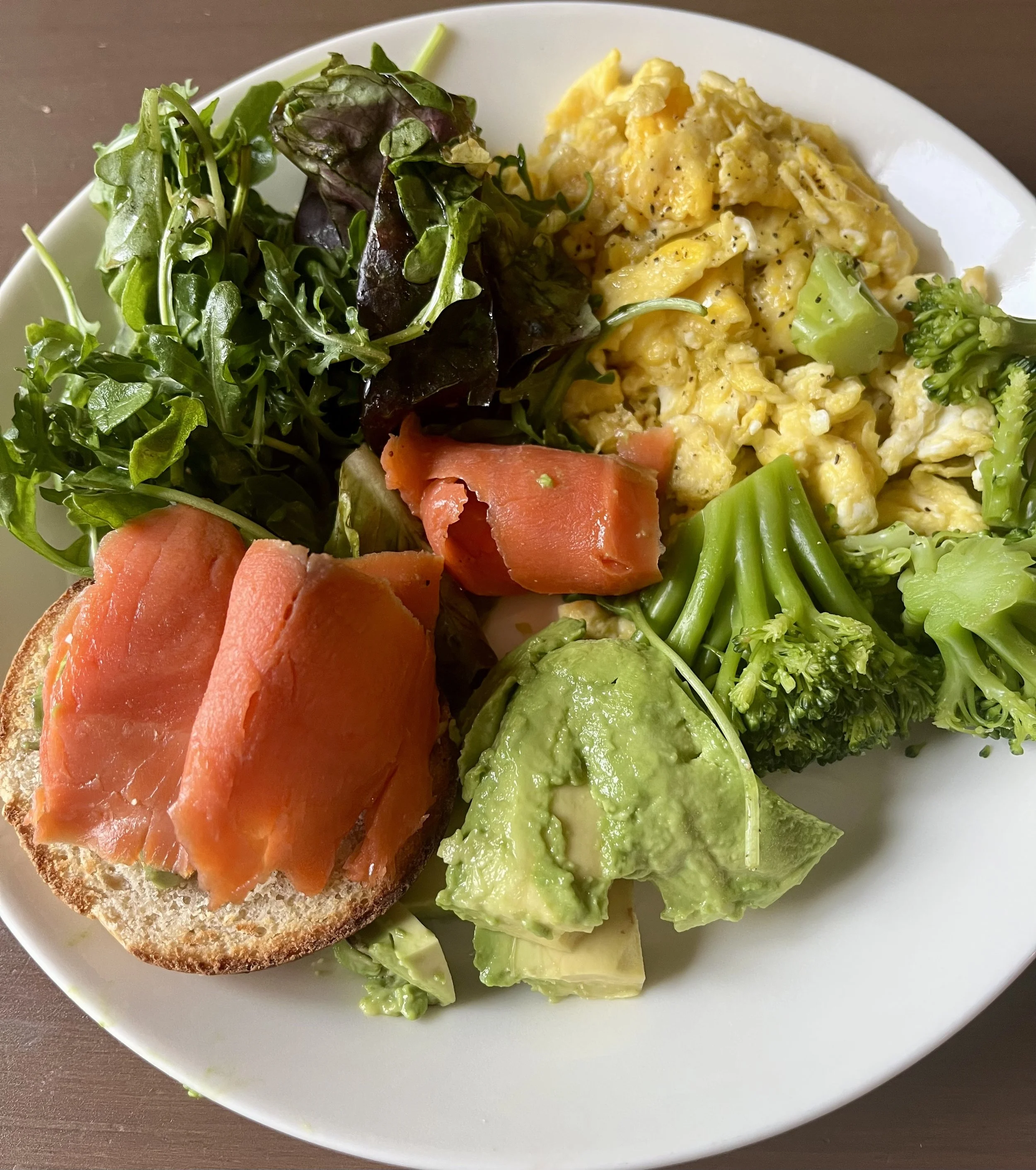
Scrambled eggs, avocado, salmon, sourdough bread, broccoli, and salad leaves with EVO
Why Healthy Family Meals Matter
When meals are balanced, they help maintain steady energy throughout the day and support overall well-being for both kids and adults.
A healthy diet supports:
Growth and development
Stable energy levels
Better concentration at school
Recovery after sports and activity
Of course, when we eat out, it’s harder to stick to the same standards, but we don’t stress about it. When you eat well most of the time, there’s room for flexibility.
This is what realistic healthy eating for families looks like in our home.
🍗 Protein for Kids: Building Strong, Energized Bodies
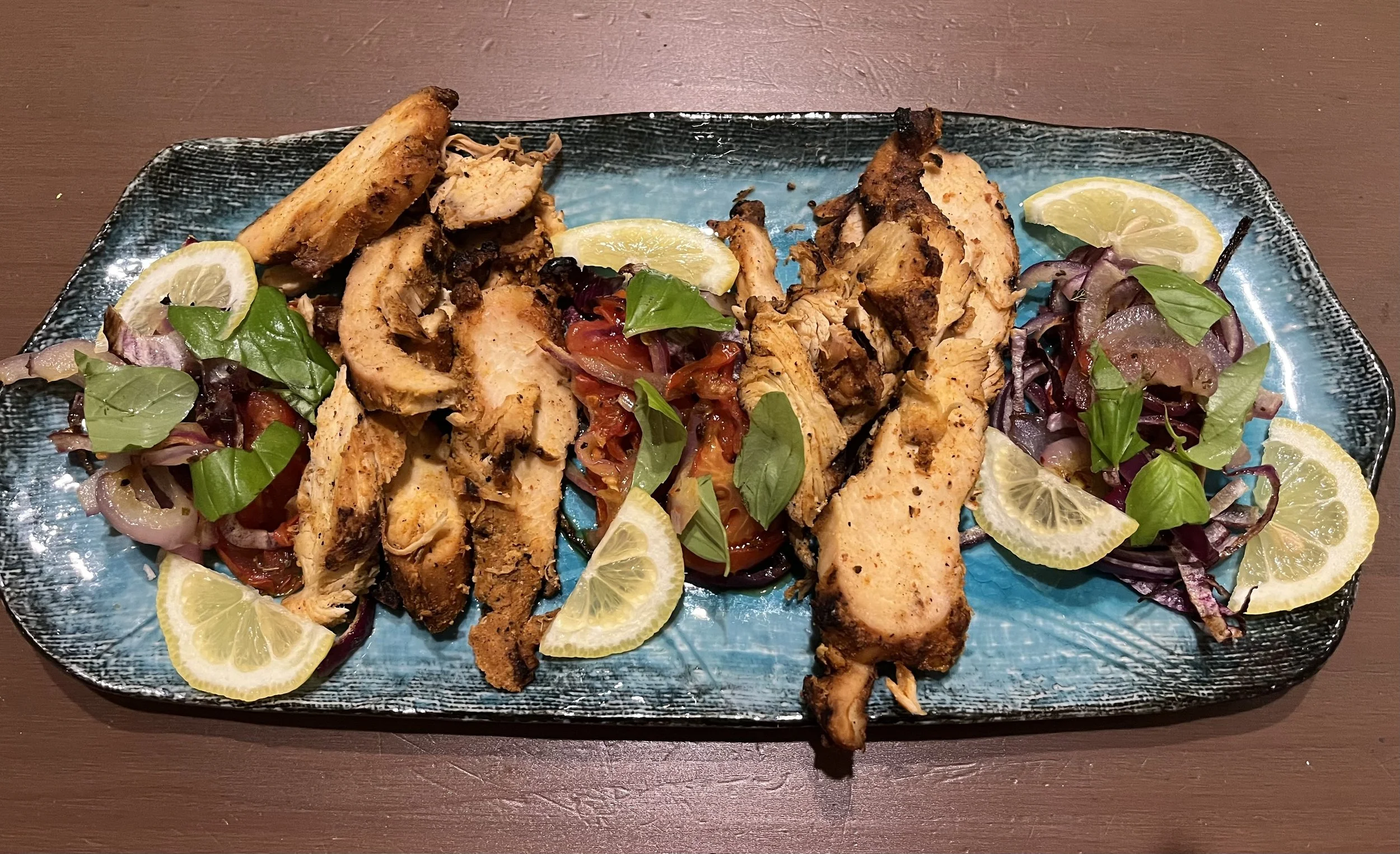
Protein is one of the most important nutrients in a healthy family diet. It supports muscle growth, recovery, and steady energy levels, and helps keep kids full longer.
It also plays a key role in repairing tissues like skin, hair, and nails.
Healthy protein sources include:
Eggs
Meat and fish
Dairy products
Beans, lentils, and tofu
Bottom line: Include protein in every meal and rotate sources throughout the week.
For a deeper dive:
🥑 Healthy Fats for Brain Development and Lasting Energy
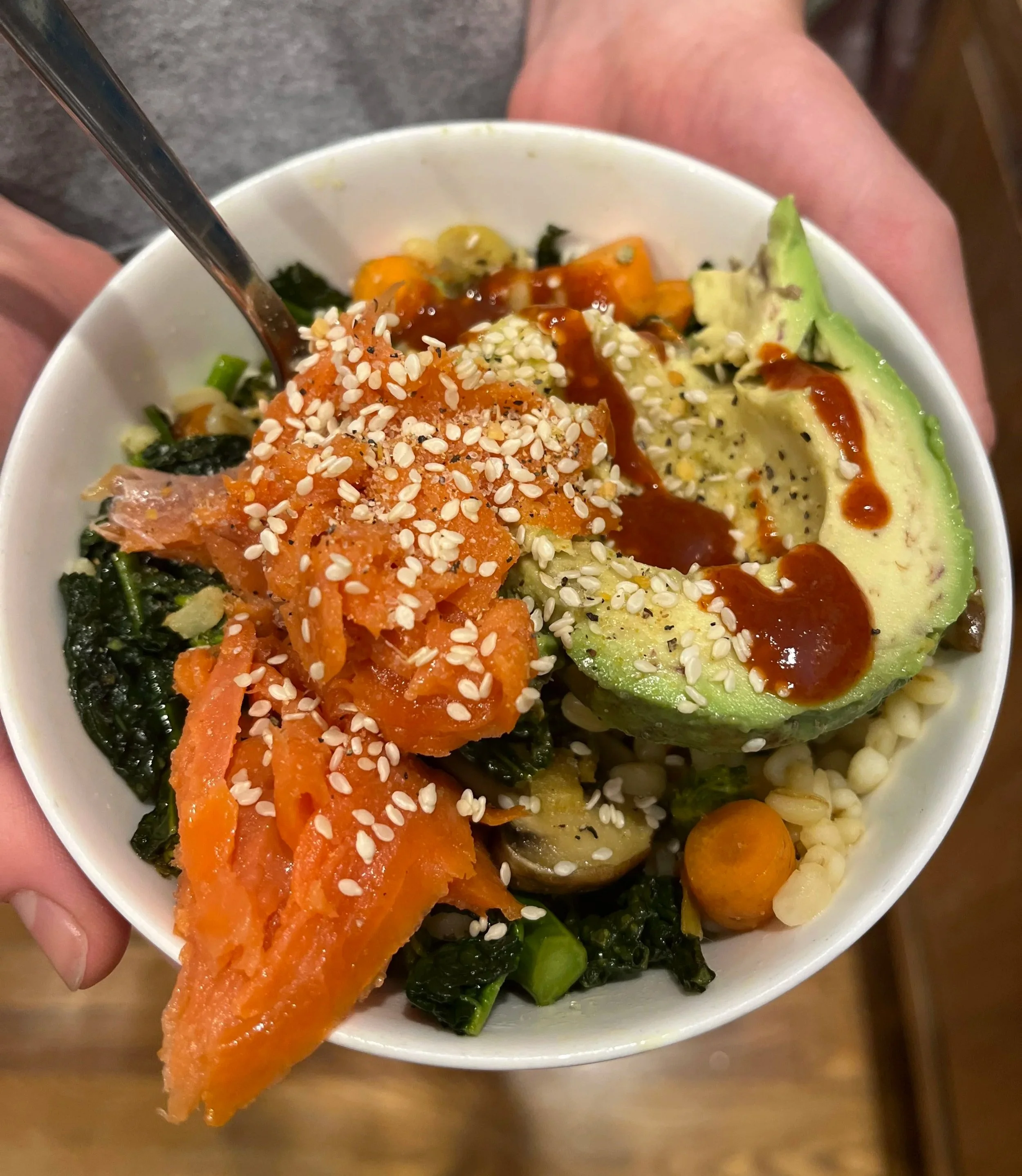
Healthy fats are essential for hormone balance, brain development, and sustained energy—especially for active kids.
They also:
Help absorb vitamins A, D, E, and K
Support fullness between meals
Slow digestion for more stable energy
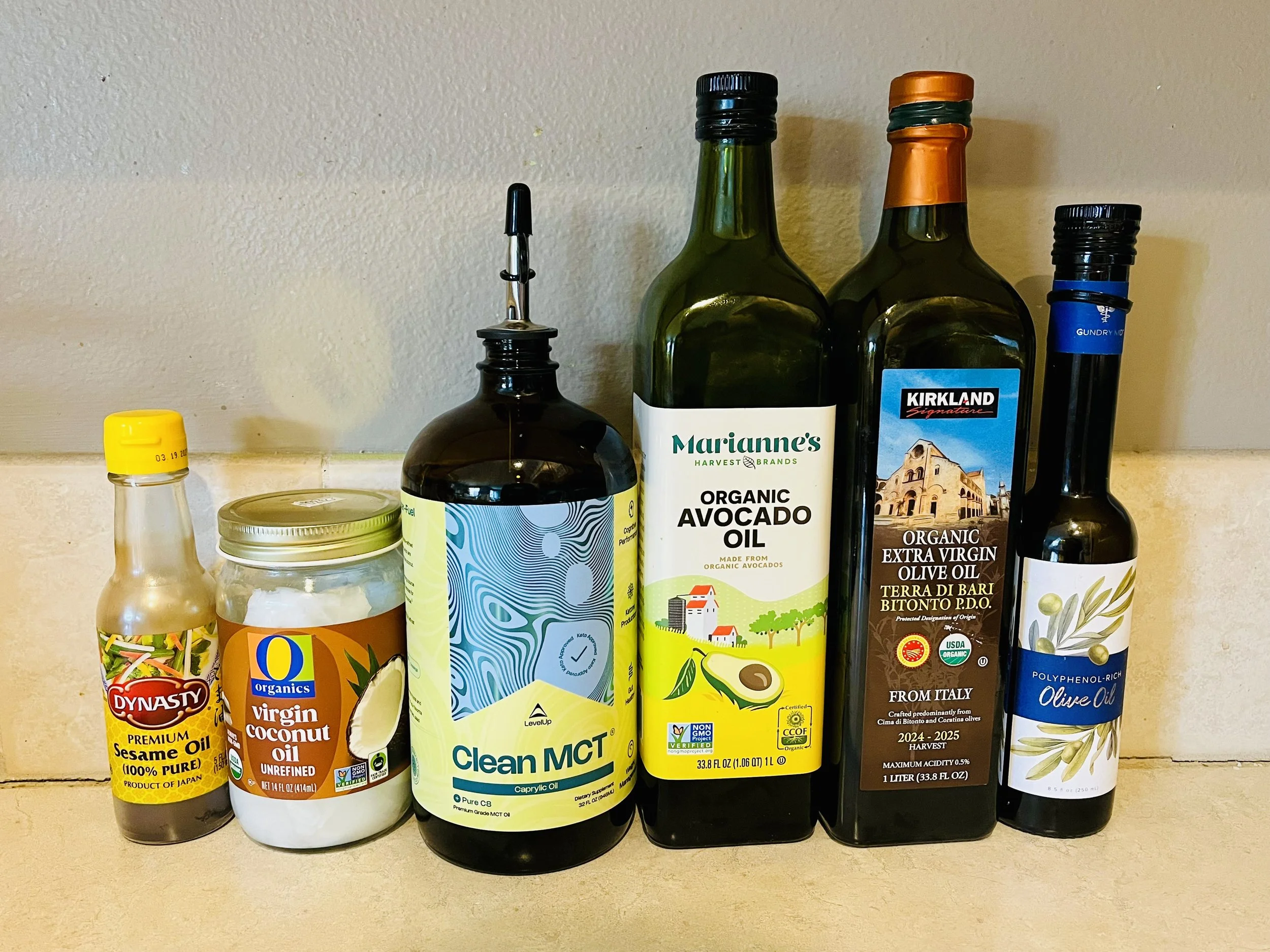
Good sources of healthy fats:
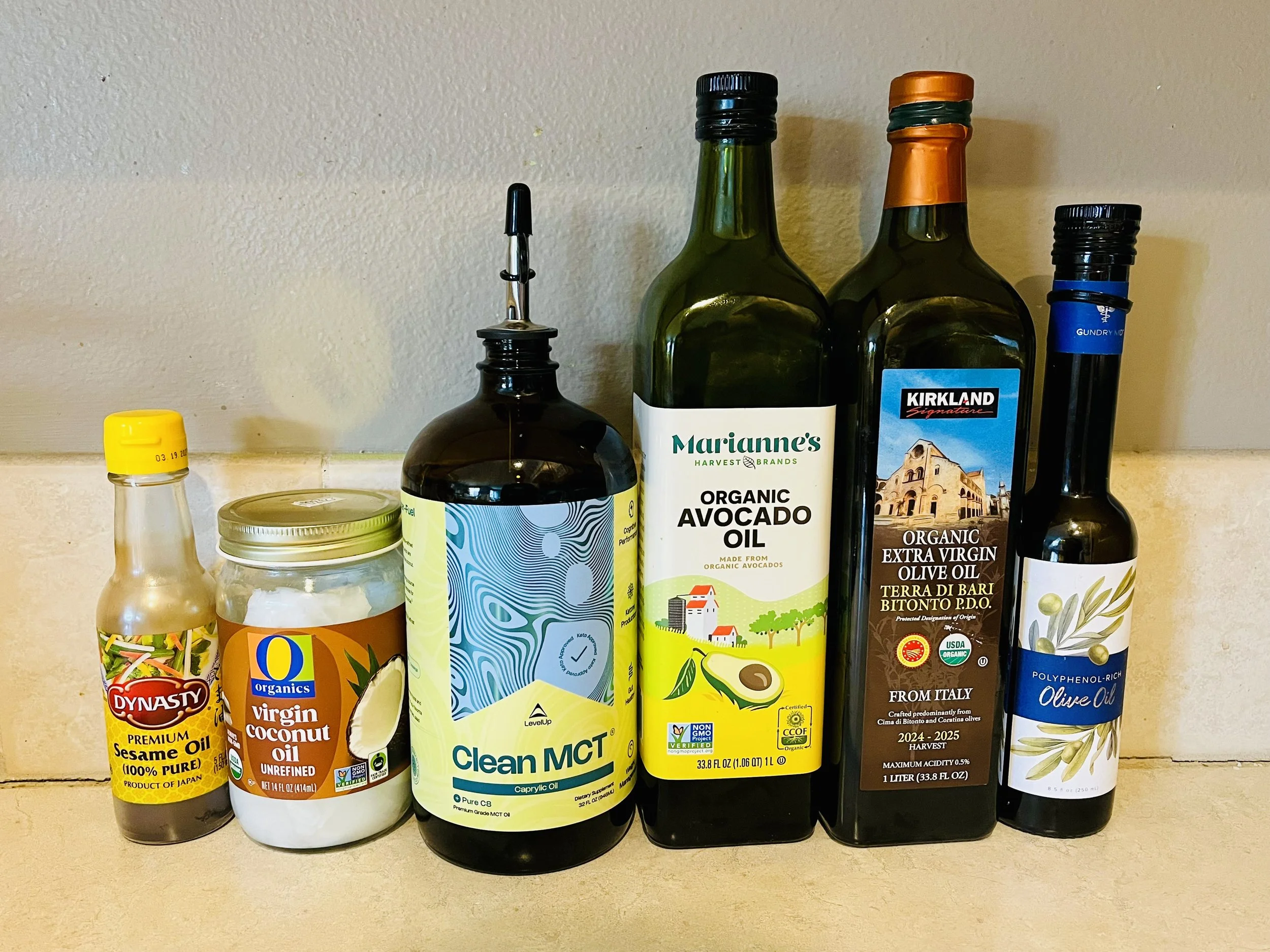
Olive oil
Nuts and seeds
Avocado
Eggs
Fatty fish like salmon
Bottom line: Add healthy fats to every meal for better energy and brain support.
🍚 Healthy Carbs for Kids: Energy Without the Crash
Carbohydrates are the body’s main source of fuel, especially important for growing, active kids.
They support:
Brain function and focus
Physical performance
Recovery after exercise
The best carbohydrate sources include:
Whole grains
Fruits and berries
Potatoes
Rice
We also prioritize vegetables and leafy greens in every meal to support digestion and overall health.
Quick tip:
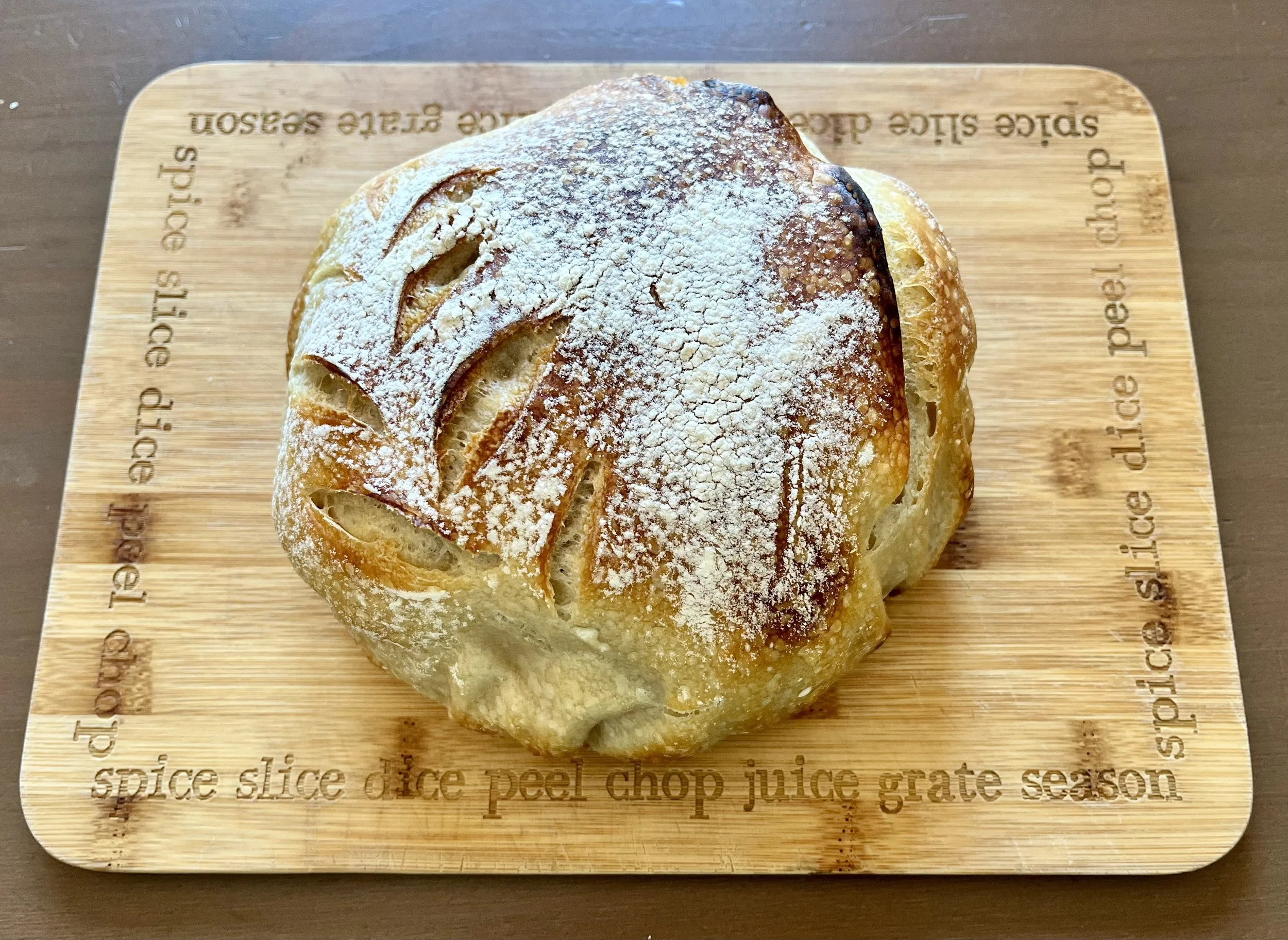
Low-glycemic carbs (like oats, beans, and berries) provide more stable energy than high-GI foods like white bread and sweets.
For a full guide:
Bottom line: Focus on whole, minimally processed carbs and include vegetables daily.
Our Simple Weekly Meal Plan for a Busy Family
In our home, meals are flexible, but having a structure throught the week makes everything easier.
Breakfast: Individual preferences
Lunch: Varies (school/work/home)
Dinner: Shared family meal
Our weekly rhythm:
1 soup night
2 fish nights
1 meat night
1 pasta night
On weekends, my husband takes over cooking either grilling or taking us out. He also prepares a high-protein snack for our daughter who practices taekwondo daily.
These are our family’s favorite meals:
🌅 Healthy Breakfast Ideas
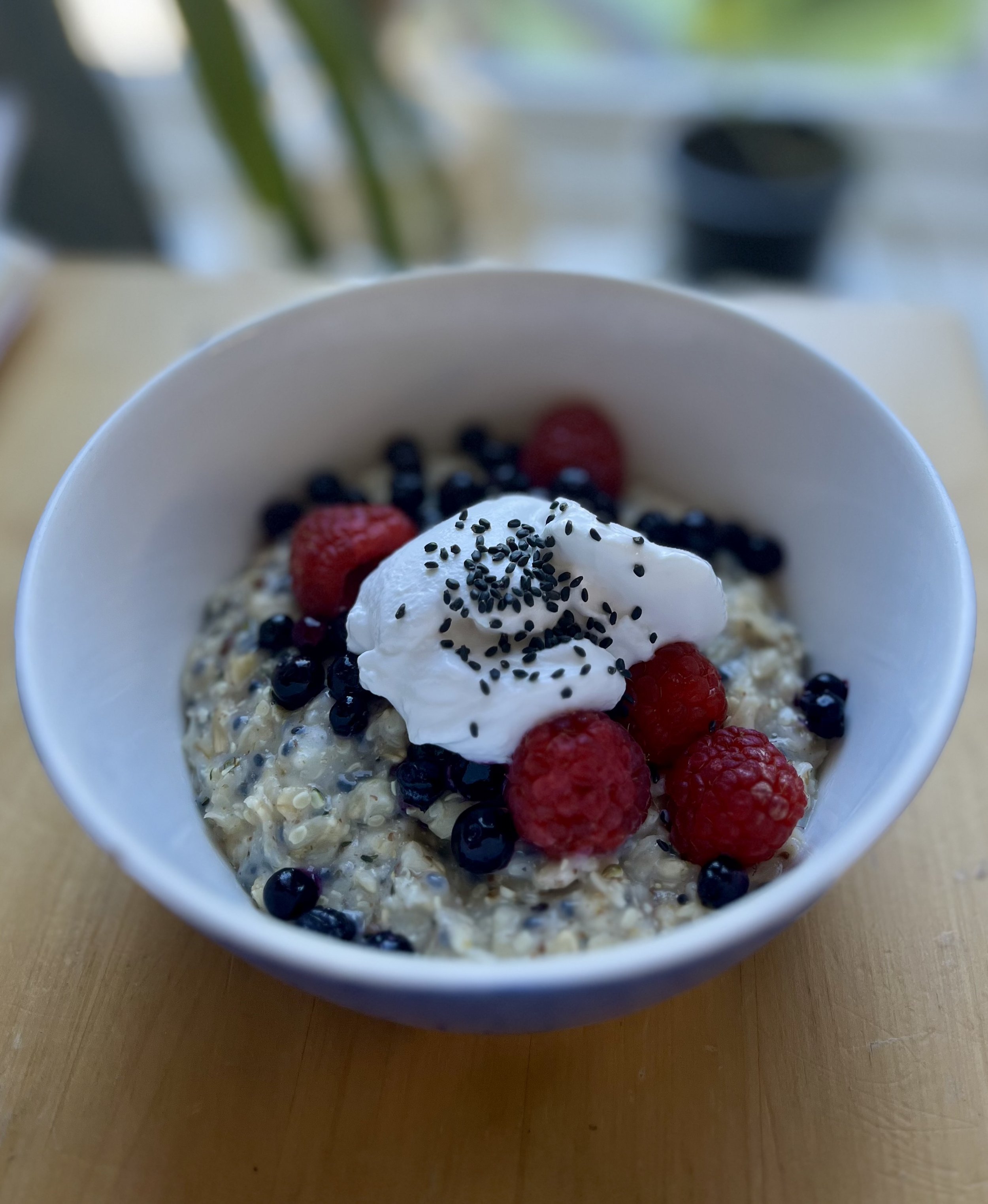
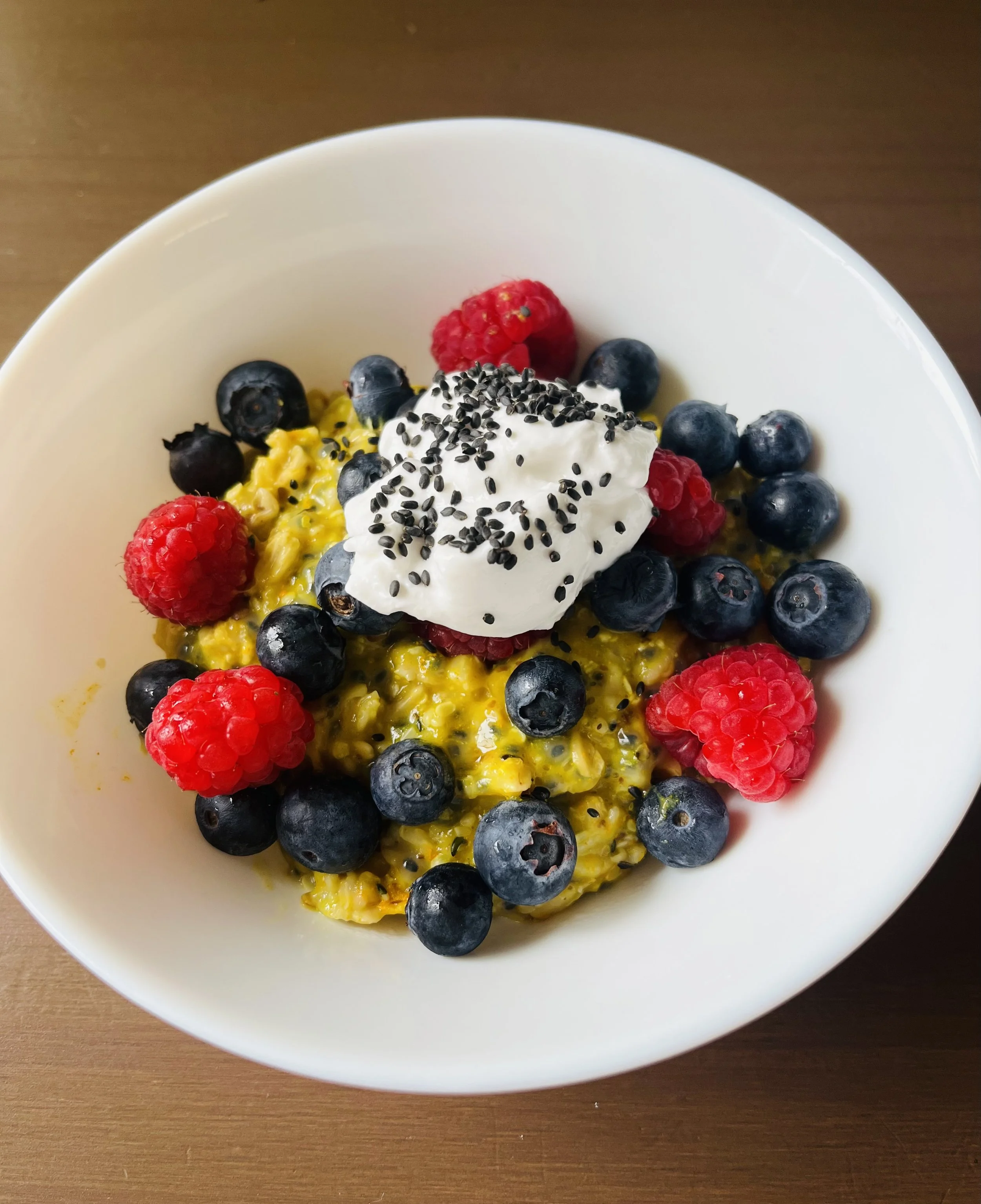
Oatmeal with hemp hearts, basilseeds, and flaxseeds, served with berries and yogurt
Greek yogurt with berries, sliced almonds or pecans/walnuts, and honey
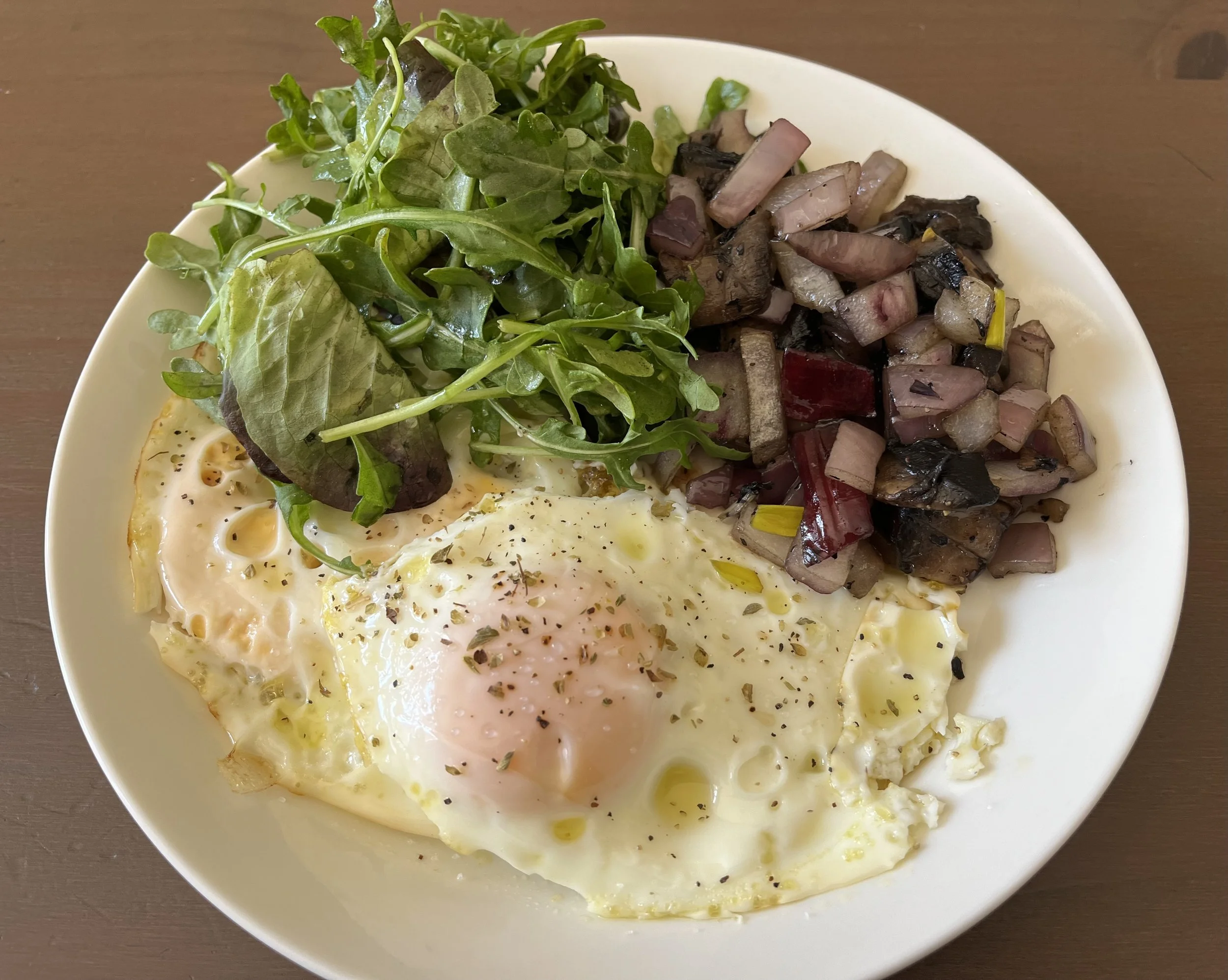
Fried egg, bread roll, cocoa, and berries
Hemp and flaxseed muffin, coconut yogurt, berries, and nuts
Savory oatmeal with sautéed vegetables, mushrooms, egg, and cured salmon
🥗 Easy Lunch Ideas for Busy Days
Egg, bread, cured salmon, avocado, lettuce, olive oil, and balsamic vinegar
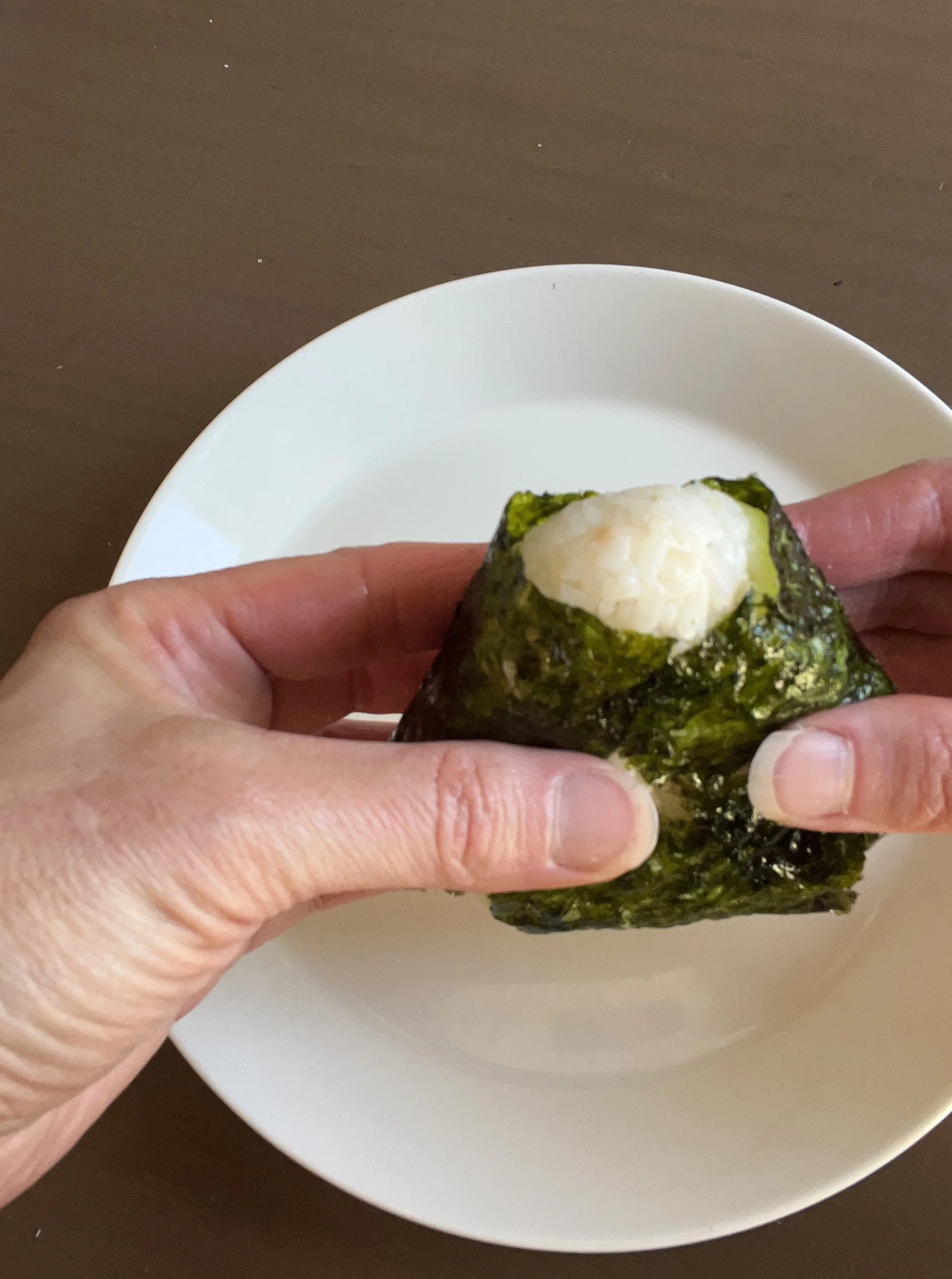
Yakimeshi: pan-fried rice with egg, onion, greens, and fish, seasoned with soy sauce
Rice with sautéed vegetables, carrots, and homemade nut spread
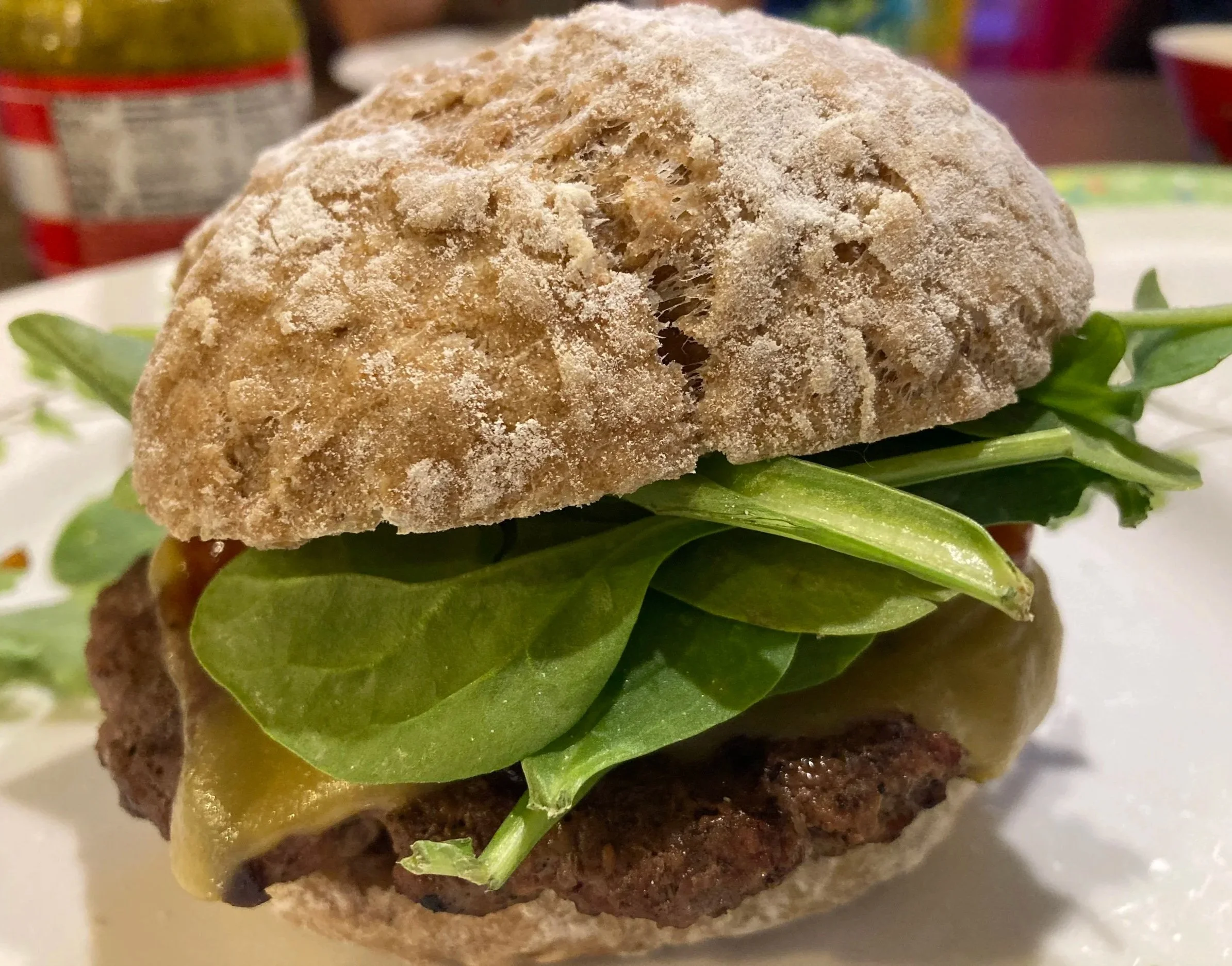
Homemade burger
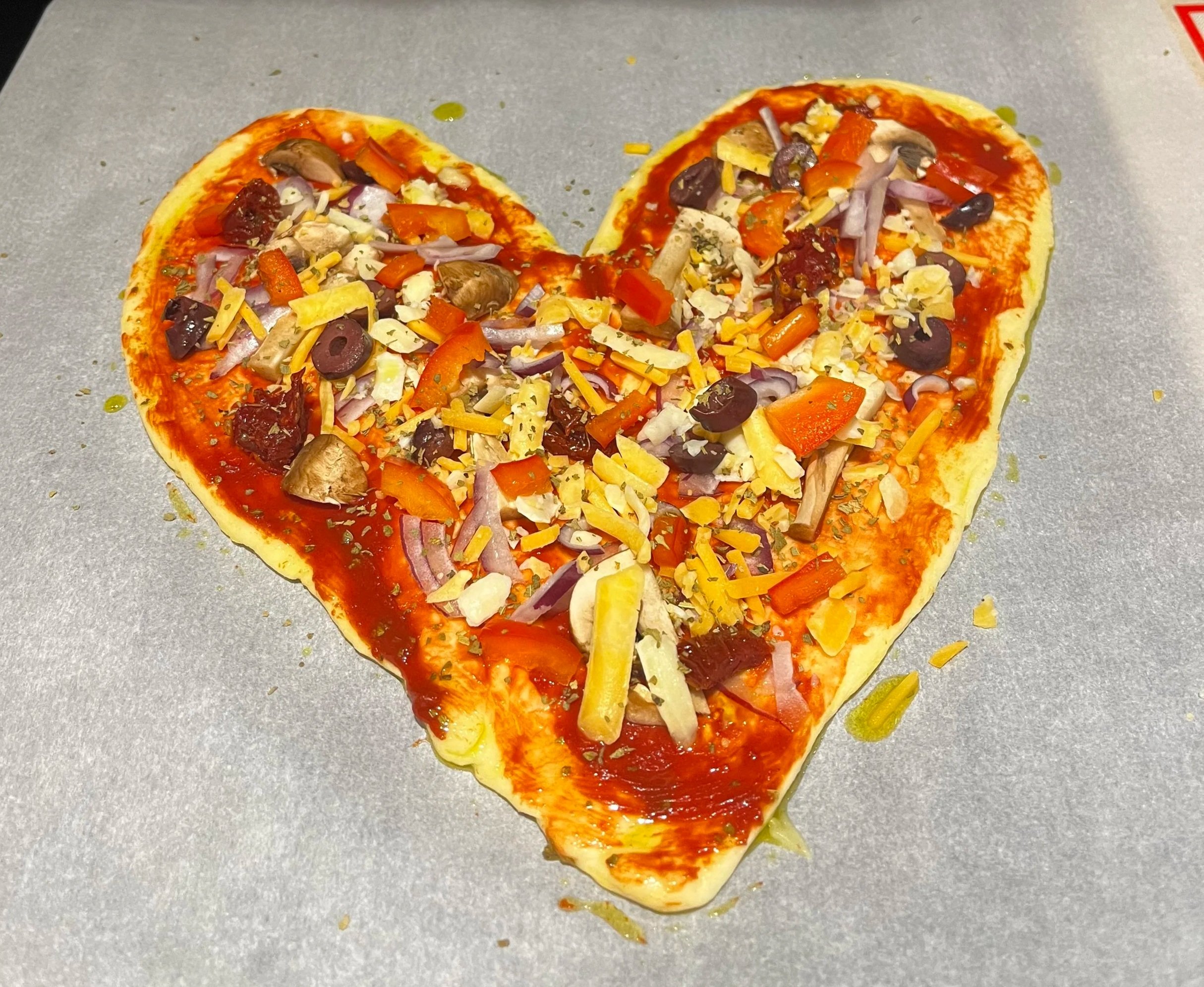
Homemade pizza
Air fryer chicken wings with rice and greens
We prepare some meals (like pizza and burgers) on Sundays so they’re ready to take to school.
🍽️ Easy Weeknight Dinner Ideas for Families

Soup with bread
Fish with vegetables, rice, and salad
Pasta with broccoli and salad
Savory pie or pizza with salad
Stew or curry with broccoli and salad
🍎 Healthy Snack Ideas for Kids and Families

Walnuts, pecans, or hazelnuts
Kefir or yogurt with berries
A couple of pieces of dark chocolate
Banana with nut butter
Kiwi, berries, grapefruit, orange, or apple
Canned sardines or anchovies
Boiled egg
Carrots or celery with nut butter
Energy balls
These are the core meals our family rotates through, all made with clean, organic ingredients. Our youngest also eats snack bars (homemade or store-bought) for extra energy on training days.
How to Build a Balanced Family Meal
When I build meals, I keep it very simple:
Protein
Healthy fats
Carbohydrates
Vegetables
That’s it.
This approach keeps meals healthy, balanced, and realistic for everyday life without overcomplicating things.
Final Thoughts: Healthy Eating for Real Life
For our family, it’s not about perfection, but about consistency.
We focus on:
Whole, clean ingredients
Balanced meals
Flexibility when needed
That’s what makes healthy eating sustainable for busy families.
If you want to go deeper, the guides linked throughout this post break everything down step by step.

Frequently Asked Questions About Healthy Family Meals
What should I feed my kids on busy days?
On busy days, simple and balanced meals work best. Try to include protein, healthy fats, carbohydrates, and vegetables in each meal.
For example, chicken with rice and vegetables or salmon with potatoes and salad are great options. The most important thing is that meals are nutritious and easy to prepare in everyday life.
How do you build a healthy meal for a child?
A healthy meal is built from a few basics: protein (such as eggs, fish, or meat), healthy fats (like olive oil, nuts, or seeds), carbohydrates (potatoes, rice, whole grains), and vegetables.
This combination supports a child’s energy, growth, and ability to focus.
What does an active child need nutritionally?
An active child needs enough energy, protein, and healthy fats. Carbohydrates are also essential, as they support energy levels and recovery.
Regular meals and nourishing snacks help keep energy levels stable throughout the day.
How can I plan family meals for the week easily?
The easiest way is to create a simple weekly rhythm, such as a soup day, fish days, and a pasta day. This reduces decision-making and makes everyday life smoother.
You can also plan a few core meals in advance and rotate them during the week.
How often should kids eat during the day?
Most children do well with three main meals and one to two snacks per day. Eating regularly helps maintain steady energy levels and supports focus and overall well-being.
“One cannot think well, love well, sleep well, if one has not dined well.”
〰️
“One cannot think well, love well, sleep well, if one has not dined well.” 〰️
See my other Nutrition articles here:

← Back to: Home

Learn which carbohydrates support energy, focus, and recovery for your whole family — including how fiber works and how to use the glycemic index in everyday meals.