
How to choose quality protein for energy, growth, and recovery
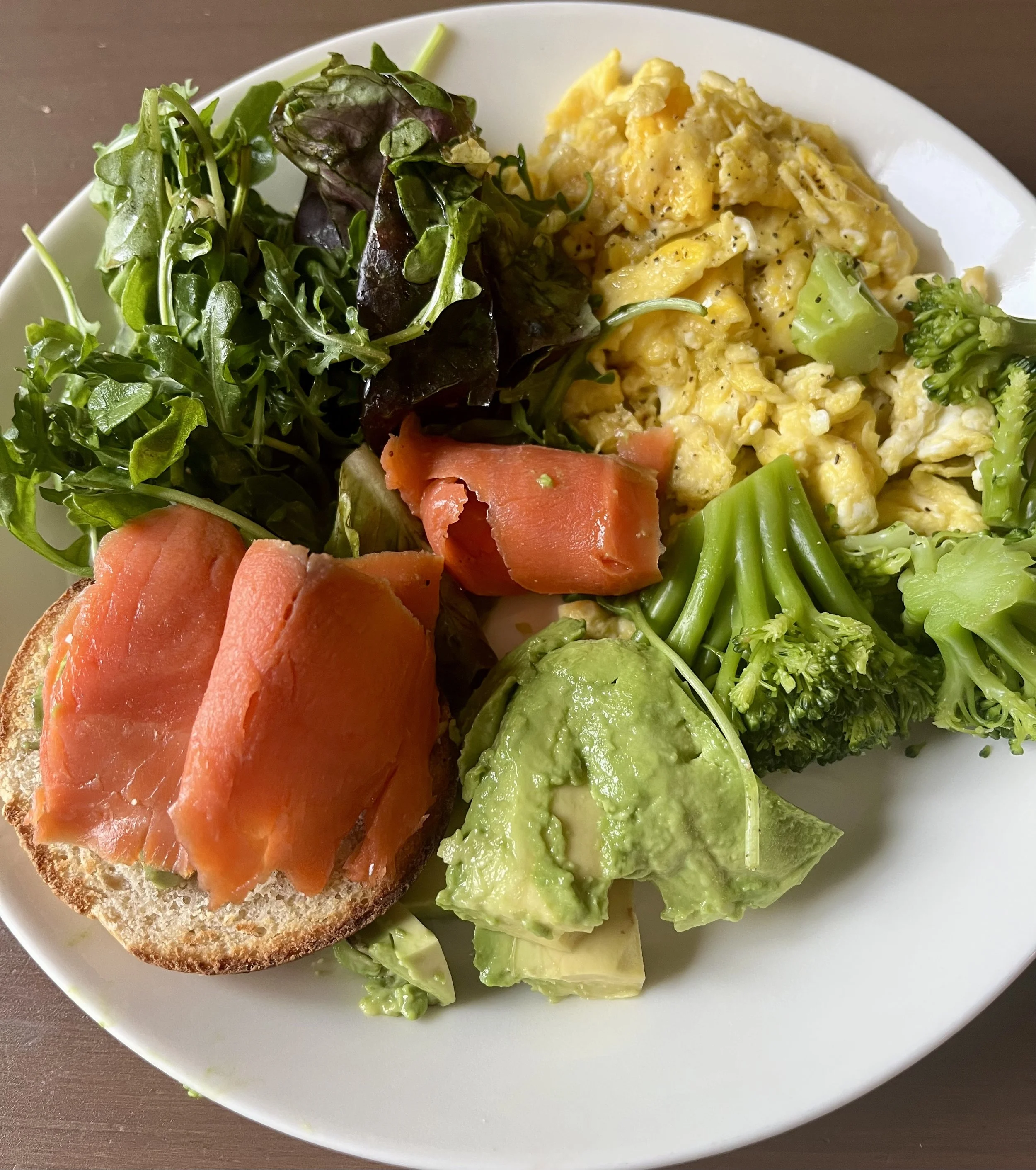
Protein is an essential part of a healthy family diet. It supports muscle growth, helps with recovery after physical activity, and keeps energy levels steady throughout the day. It also plays an important role in building and repairing tissues like skin, hair, and nails.
With two physically active daughters, both training over 10 hours a week in addition to daily PE—making sure they get enough high-quality protein is something I think about every day. But it doesn’t have to be complicated.
Why Protein Matters for Kids and Active Families
Protein helps:
Build and maintain muscle
Support recovery after sports and activity
Keep kids full and energized
Support growth and development
In our home, we simply aim to include a source of protein in every meal—without overthinking it.
Best Protein Sources for Families
You can find protein in:
Eggs
Meat and fish
Dairy products
Plant-based sources like beans, lentils, and tofu
The key is variety. Different protein sources provide different nutrients, so rotating them throughout the week makes a big difference.
Eggs: A Simple, Nutrient-Dense Protein
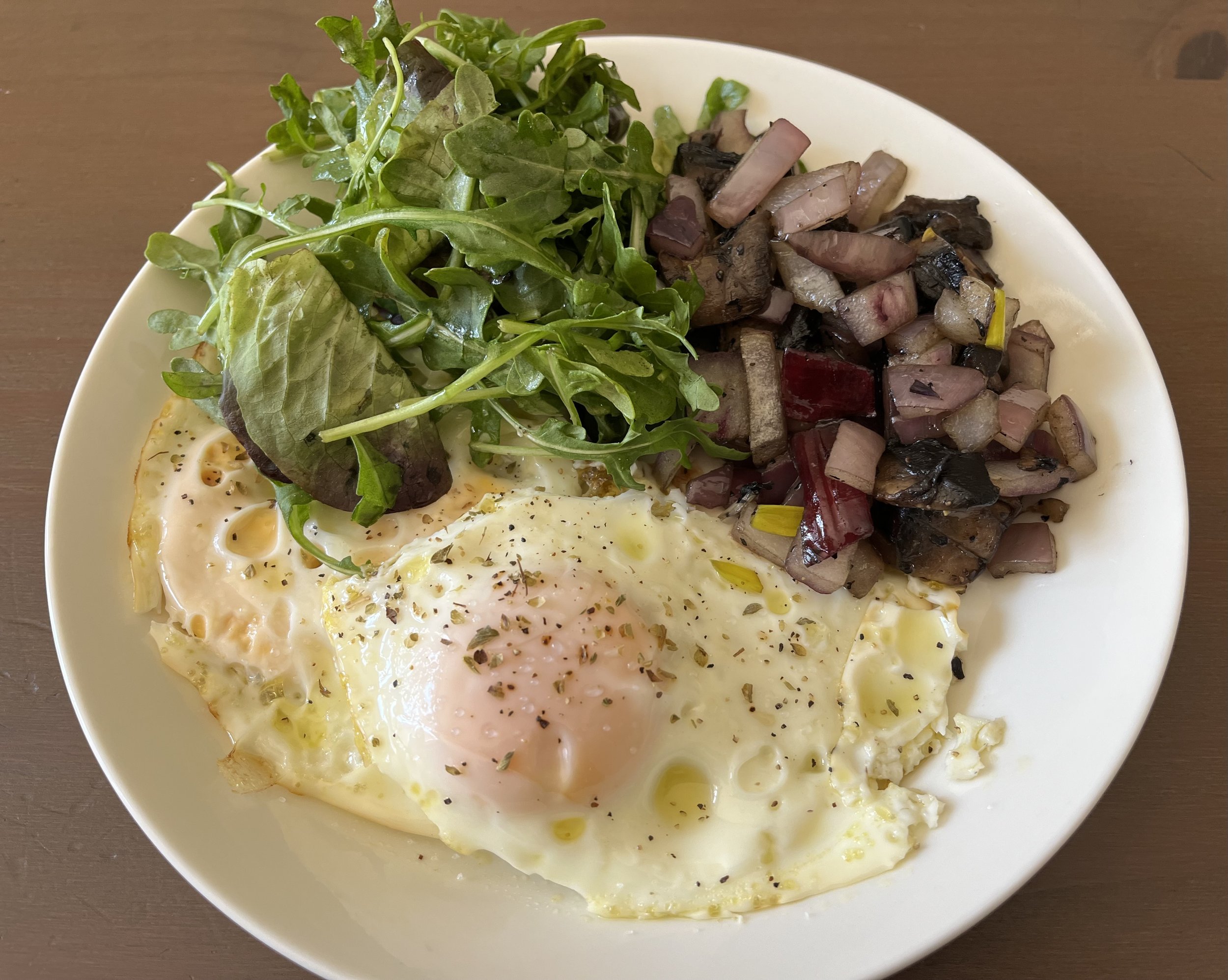
Sunny side eggs with red onions, portobello mushrooms, and salad leaves.
Eggs are one of the easiest and most versatile protein sources for families. They’re quick to prepare, affordable, and packed with nutrients.
But egg labels can be confusing. Here’s what they really mean:
Cage-free: Hens can move around inside the barn, but not necessarily have access to the outdoors.
Free-range: Hens have access to the outdoors, but the outdoor area can be very small and there is no guarantee hens actually go outside.
Pasture-raised: Hens spend most of their time moving around outdoors on grass, eating insects, seeds, grass, and natural forage. These eggs typically have higher omega-3 fatty acids and a better omega-3 to omega-6 balance. They also tend to have higher levels of antioxidants, carotenoids, and vitamins A, D, and E.
Organic: Certified by the USDA. Must be cage-free and have outdoor access, but hens can still spend most of their time indoors and outdoor access can be minimal. They are fed organic, non-GMO feed and cannot be given antibiotics or synthetic pesticides. However, their diet is still mostly grain-based, such as organic corn and soy.
Bottom line: Pasture-raised is the best option when you can find it. It gives you the most nutritional benefit and the best conditions for the hens. Pasture-raised eggs tend to have higher levels of omega-3 fatty acids, vitamins, and antioxidants.
Meat and Fish: High-Quality Protein and Key Nutrients
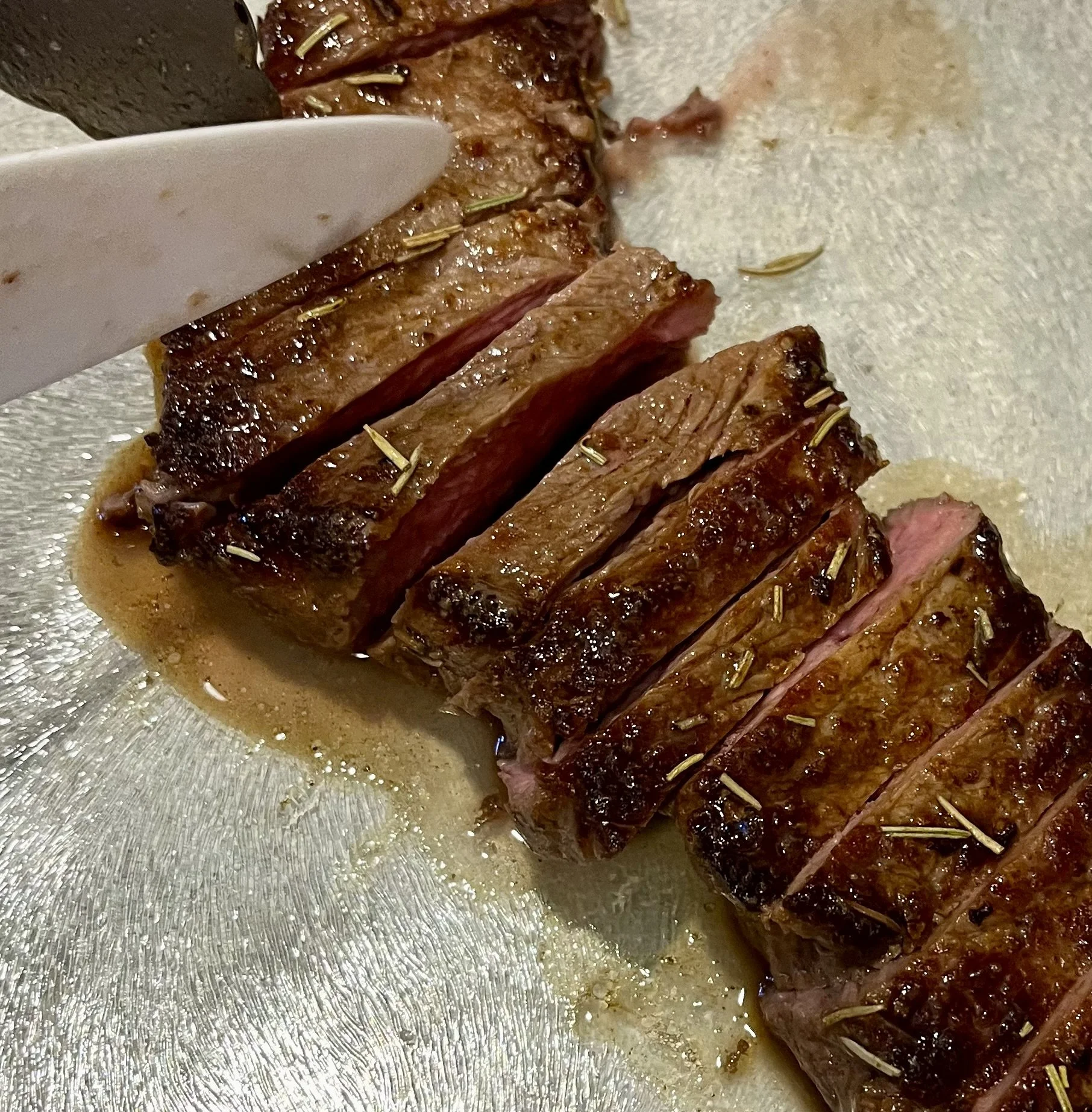
Meat contains:
essential amino acids that support muscles, energy levels, and recovery.
heme iron, which is more easily absorbed than plant-based iron and is especially important for children and women.
B vitamins (especially B12), zinc, selenium, and creatine.
Different types of meat offer slightly different nutrients, so it's beneficial to vary them in everyday meals.
Beef: Rich in iron and vitamin B12
Chicken: Lean and easily digestible
Pork: High in vitamin B1 for energy
Lamb: Nutrient-dense with iron, zinc and B12
When choosing meat, I focus on two things:
How the animal was fed
Whether antibiotics were used
"Grass-fed" sounds like a good choice, but it doesn't always mean the animal ate grass its whole life. Many animals are grass-fed early on and then finished on grain. That's why the term "grass-finished" or "100% grass-fed" is important, it means the animal stayed on a natural diet the entire time. This can make a difference in the nutritional profile of the meat, including a better balance of fats.
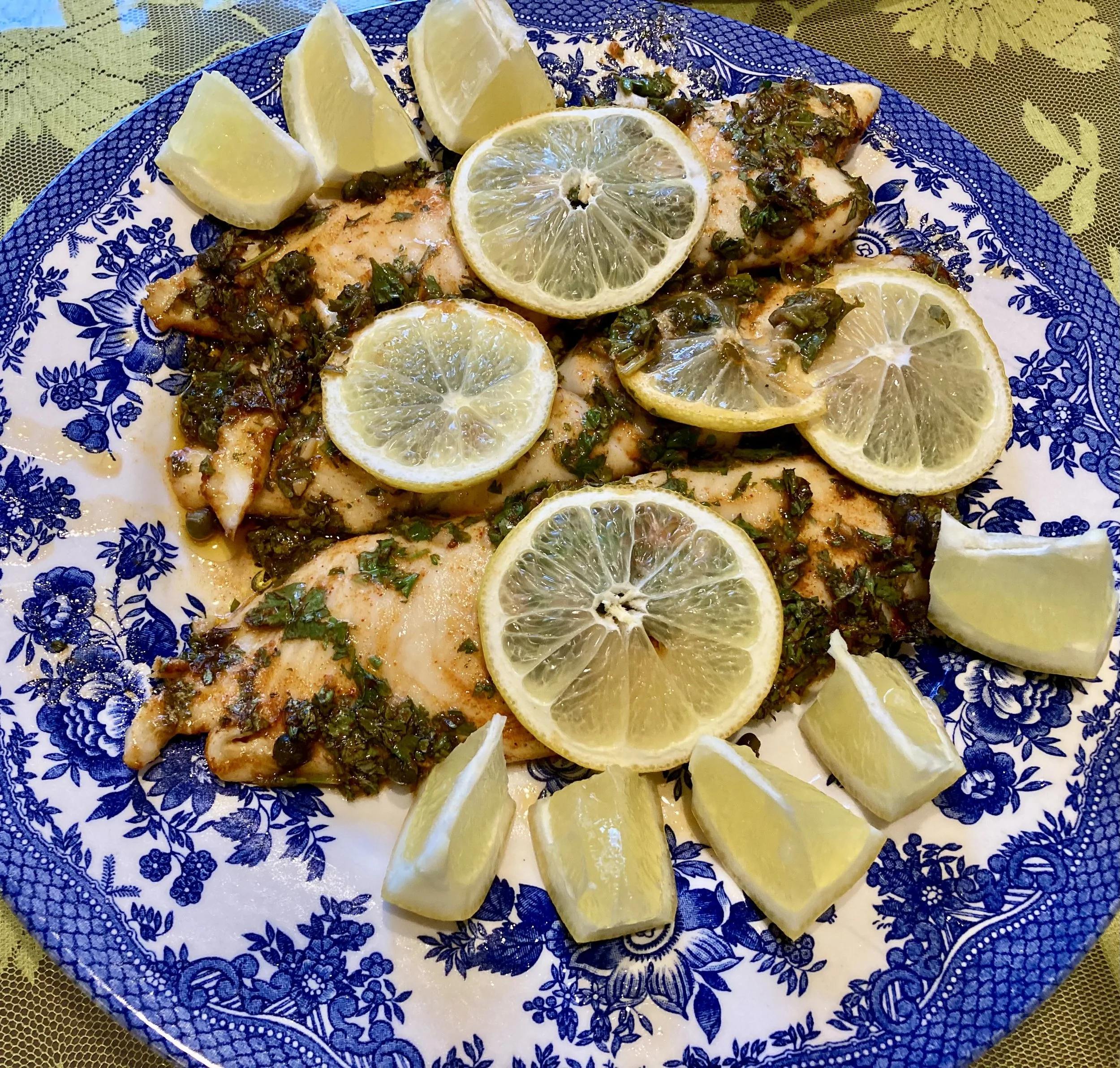
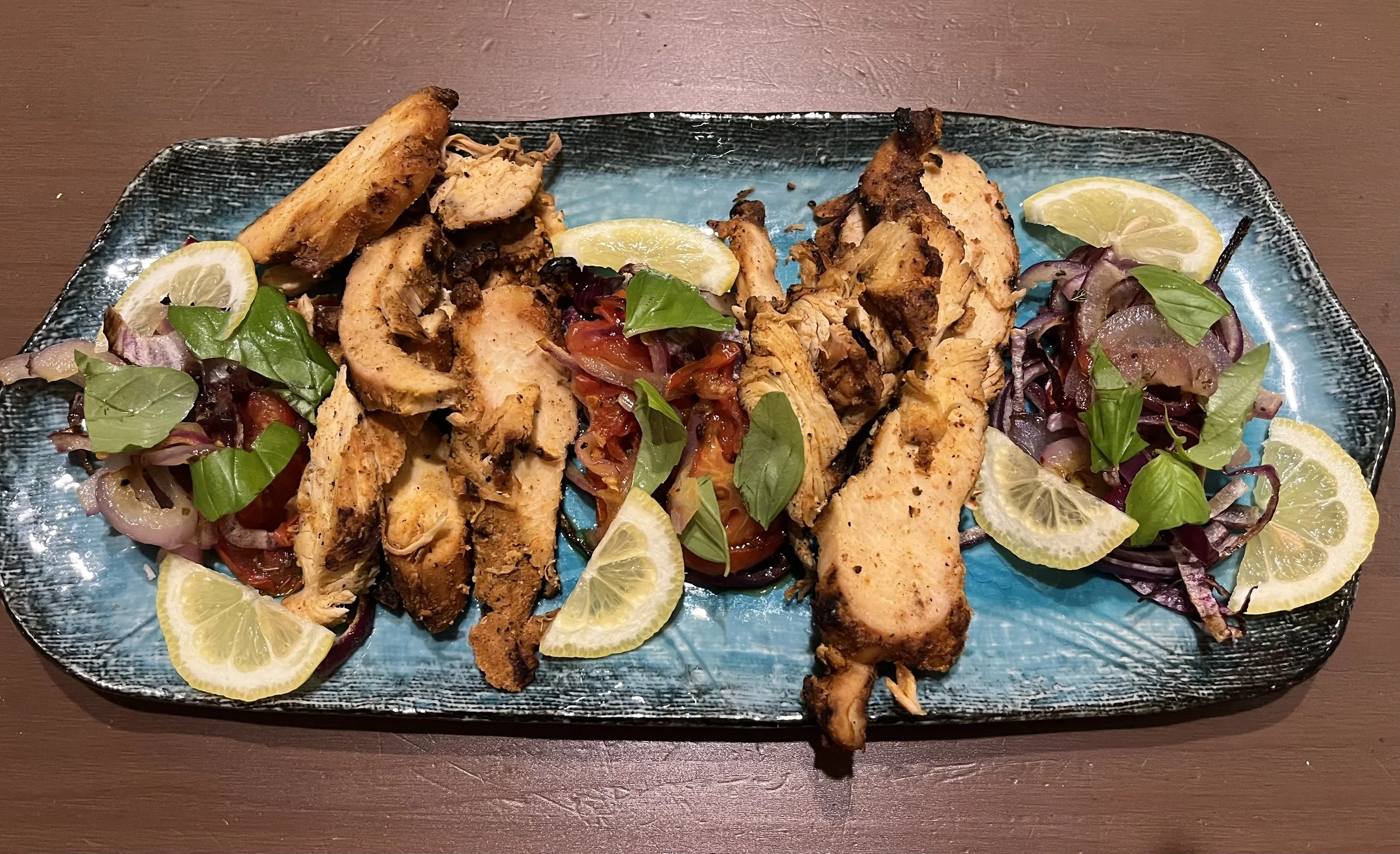
Fish is on our table several times a week, it's easy to prepare, the kids eat it well, and the nutritional benefits are hard to beat.
Fatty Fish vs White Fish
Fatty fish (salmon, mackerel, sardines, herring, and trout) are rich in omega-3 fatty acids (EPA and DHA), which support brain development, reduce inflammation, and balance hormones. They're also one of the best natural sources of vitamin D, something most of us in the north genuinely need, especially in winter.
White fish (cod, haddock, halibut, pike perch) are leaner but equally valuable. High in complete protein, rich in iodine for thyroid function and selenium for immune support. My approach is simple: both fatty fish and white fish make it onto our weekly menu.
Wild Caught vs Farm Raised
Wild caught is the better choice for omega-3s. Even organic farmed salmon is typically fed corn and soy, which shifts the fatty acid profile toward omega-6, the opposite of what we're looking for. If wild salmon isn't always in the budget, sardines, herring, and mackerel are always wild caught and just as rich in omega-3s, often for a fraction of the price.
Mercury
Larger fish accumulate more mercury, and that’s why it’s better to limit tuna, swordfish, and king mackerel, especially for children.
Salmon, sardines, herring, trout, mackerel, and white fish are all safe to eat regularly.
Canned Fish
This is something I always have in the cupboard. Canned sardines are one of the most nutrient-dense foods you can buy: omega-3s, vitamin D, B12, calcium, selenium, and iodine in one small tin. The soft bones are edible and a surprisingly good source of calcium. Mackerel is very similar and slightly milder in taste. Tuna is great for protein but choose skipjack over albacore as it's lower in mercury. Anchovies are intensely flavored and used in small amounts, but rich in omega-3s, calcium, and iron.
For the oil choose extra virgin olive oil packed over sunflower oil, which is high in omega-6 and works against the whole point. Water packed is a clean option for mixing into salads and pasta dishes, but olive oil adds extra nutritional value.
Bottom line: Choose wild caught fish and grass-finished (or pasture-raised) meat and no antibiotics whenever possible.
Dairy Products: What to Look For
Dairy can be a great protein source, but quality and tolerance matter.
🥛 Not All Milk Is the Same
There are a few different things that can affect how your body reacts to milk, and it helps to understand the difference.
🐄 A1 vs A2 Milk (Protein Difference)
Milk contains a protein called beta-casein, and it comes in two main forms: A1 and A2.
Most regular milk in the U.S. contains A1 protein, while A2 milk contains only A2.
For some people, A1 milk may cause:
bloating
digestive discomfort
mild stomach issues
even if they are not lactose intolerant.
Because of this, A2 milk is often considered easier to digest for some.
🚫 Lactose-Free Milk
Lactose is the natural sugar in milk. In lactose-free milk lactose is already broken down making it easier to digest. However, it still contains the same milk proteins (usually A1).
So:
Lactose-free ≠ A2
They address different sensitivities
🌾 Plant-Based “Milks”
You’ll also find many plant-based options like:
oat milk
almond milk
soy milk
These are not technically dairy products, but “milk alternatives.”
They contain no lactose and no milk proteins which makes them a good option for those who don’t tolerate dairy at all. At the same time, many store-bought versions contain added ingredients such as oils, gums or stabilizers, added sugars, vitamins and fortification. You can also easily make your own nut milk at home:Coffee with Walnut Milk, Please!
If milk doesn’t feel right for you, the issue may not be milk itself, but the type of milk. Sometimes, a small change, or even trying life without milk for a while, can make a big difference.
Cheese
Not all cheese is created equal, and once I learned that, I started paying more attention to what we actually put in the fridge.
Regular cow's milk contains a protein called A1 that can cause bloating and discomfort in some people, especially kids with sensitive stomachs. A2 milk doesn't have that problem. And many of the classic European aged cheeses, like Parmigiano-Reggiano, Gruyère, and aged Gouda, come from older cattle breeds that naturally produce A2-dominant milk. The long aging process breaks the proteins down even further, and by the time the cheese is ready, there's almost no lactose left. So even if dairy doesn't always sit well in your family, a good aged Parmesan might be completely fine.
These cheeses are also a surprisingly good source of vitamin K2, something most of us don't think about, but really should. K2 helps direct calcium into your bones where it belongs, rather than into your arteries. For growing girls especially, that matters. This is also an important point to keep in mind if you take calcium supplements.
For everyday use, I also reach for goat and sheep cheeses a lot. They're naturally lower in lactose, easier to digest, and packed with healthy fats that give you quick energy instead of sitting heavy. They also contain MCTs (healthy fats your body uses quickly for energy) as well as CLA, a fatty acid linked to less inflammation and better body composition over time. And because they're rich and satisfying, a small amount goes a long way.
If you can, go for aged varieties that have better flavor, and your gut will thank you too.
Yogurt
I always go for the unsweetened option. It's easy to sweeten yourself with berries, and you don't need any added sugar at all.
Yogurt is also a fermented food, and that's what makes it truly special. It contains live cultures that support gut health and the immune system. In our house this matters a lot when the girls are training hard. The body needs more than just protein to recover well.
Greek yogurt is a great source of protein, but A1 cow's milk can cause digestive issues for some people and that includes yogurt. My first choice is always A2 yogurt, but if you can't find it, try goat or sheep milk yogurt instead. They're naturally easier to digest. Coconut yogurt works as a dairy-free alternative, but keep in mind that the protein content is significantly lower.
I always pick the full-fat version. It keeps you full longer, and the low-fat versions usually have added sugar to make up for the taste, which is exactly what we want to avoid.
Bottom line: If dairy causes any digestive discomfort in your family, try A2 milk or switch to sheep or goat cheese. For yogurt, always choose unsweetened and add berries yourself.
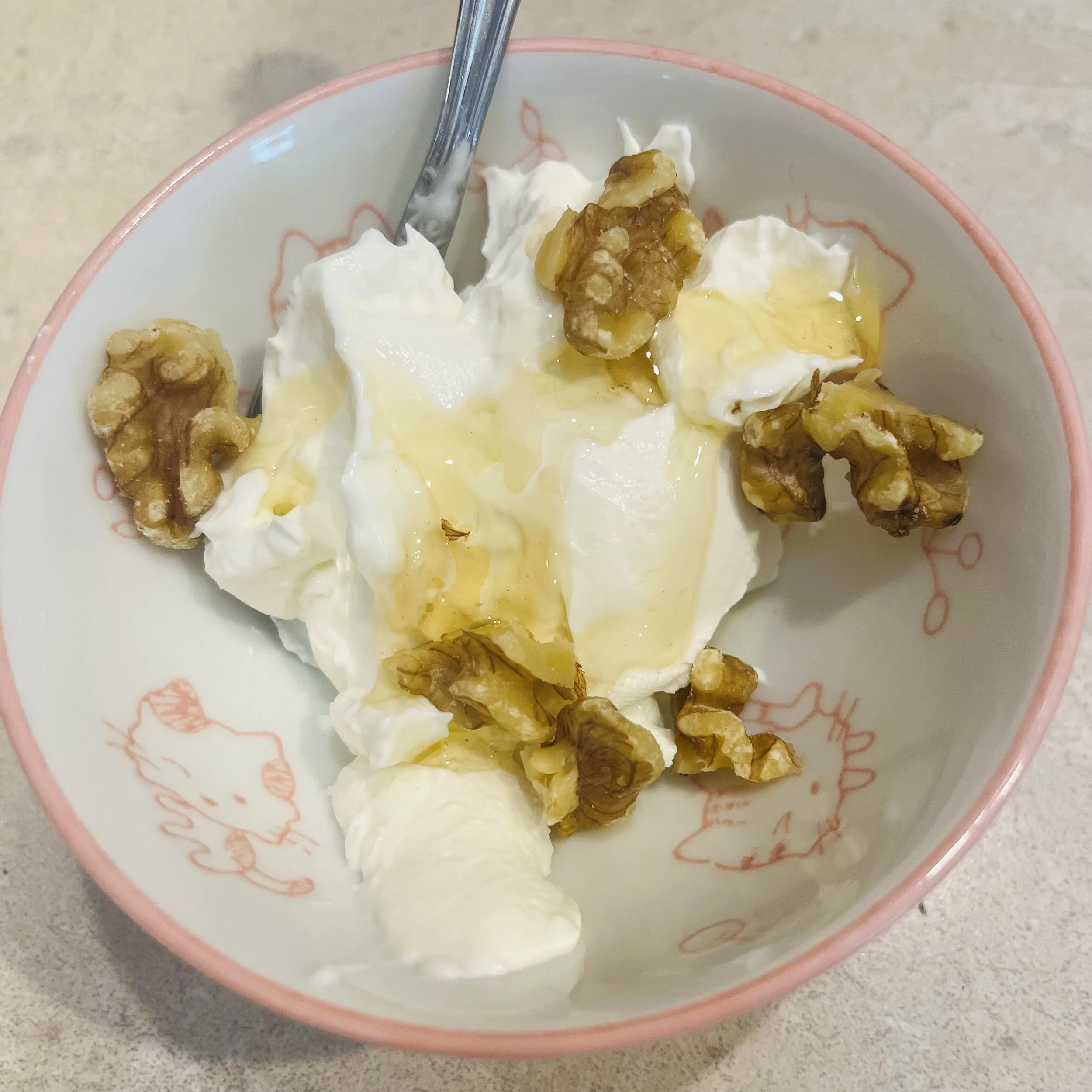
Homemade yogurt with honey and walnuts
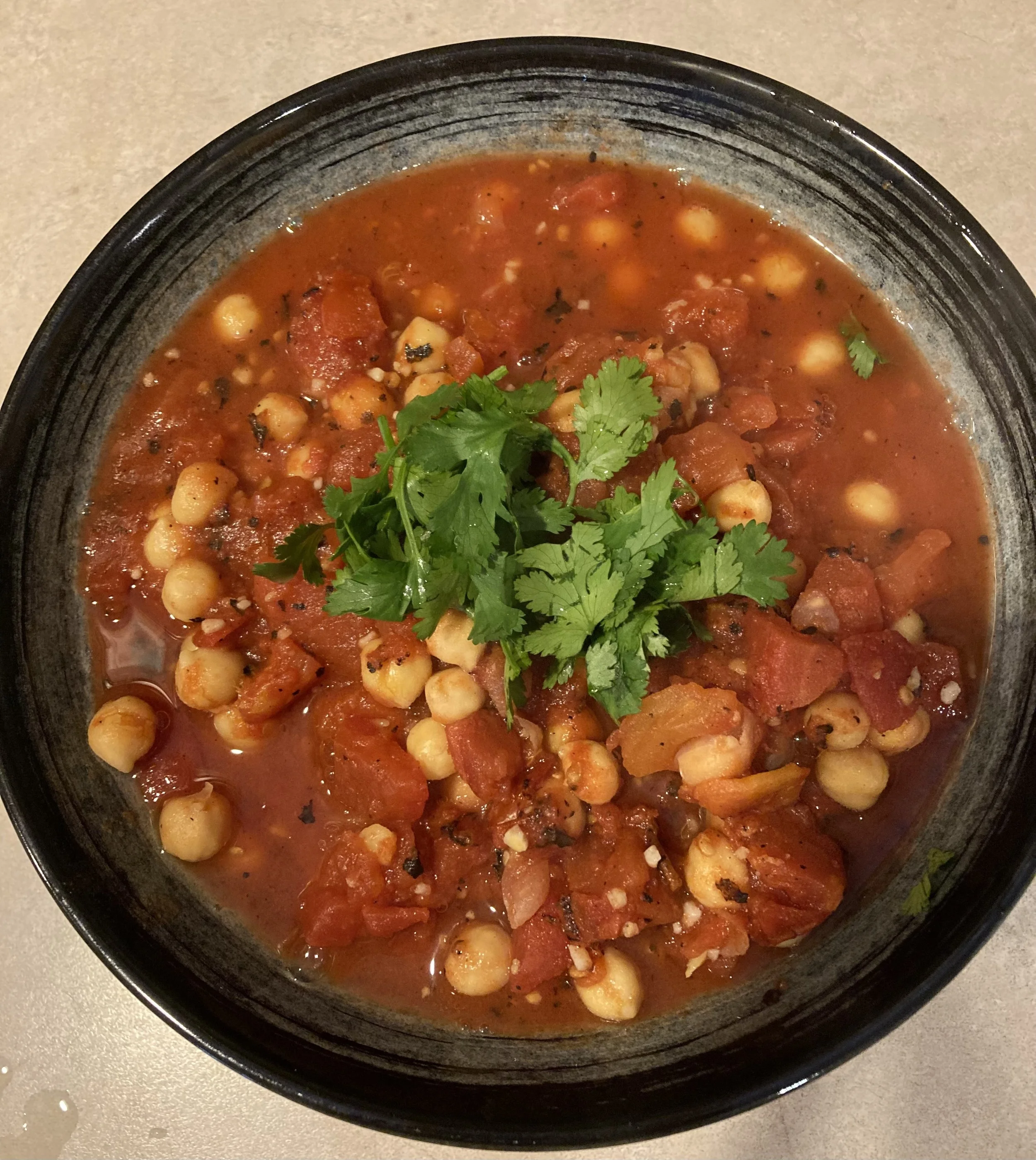
Garbanzo beans with diced tomatoes (served over rice)
Plant-Based Proteins: Beans, Lentils, and Tofu
Beans, lentils, and tofu are rich in fiber, which supports digestion and helps keep you full longer. They are also good sources of plant-based iron and contain important minerals like magnesium and potassium. Unlike meat, they do not contain saturated fat and can support heart health as part of a balanced diet.
One thing worth knowing is that most plant proteins are incomplete, meaning they don't contain all the essential amino acids your body needs. Proteins are built from nine essential amino acids that your body can't produce on its own. Beans and lentils are low in one called methionine, while grains like rice and oats are low in another called lysine, but each has what the other is missing. Combined, they cover all nine and give your body a complete protein. It doesn't have to happen in the same meal, just throughout the day.
Beans
Beans are high in fiber and very filling, helping to keep blood sugar levels stable. Chickpeas work the same way and are incredibly versatile, used in everything from hummus to roasted chickpeas. However, they naturally contain lectins and can cause some digestive discomfort or bloating, especially when first introduced. Soaking dried beans for 8–12 hours or cooking them in a pressure cooker can help reduce lectins and make them easier to digest. If you want to take it a step further, try sprouting your beans or lentils before cooking. Sprouting is particularly effective at reducing phytic acid, the compound that can block absorption of important minerals like iron and zinc. For reducing lectins however, pressure cooking is the most effective method and hard to beat.
Lentils
Lentils are great for busy days because they cook quickly. They are a good source of protein and fiber but may still cause digestive discomfort for sensitive individuals. Red lentils in particular are among the easiest to digest.
Tofu
Tofu is a soft, versatile soy product that is a good source of protein and contains calcium. It is moderately processed and not fermented like miso, tempeh, or natto. Fermentation breaks down lectins and makes products easier to digest. However, tofu is generally well tolerated and a great protein option for many.
Bottom line: Beans and lentils are a great addition to family meals. Soak dried beans before cooking to make them easier to digest. Lentils are the quickest option on busy days.
How We Use Protein in Our Family
In our family, we keep things simple.
We include protein in every meal:
Eggs at breakfast
Fish or leftovers at lunch
Meat, fish, or a balanced meal at dinner
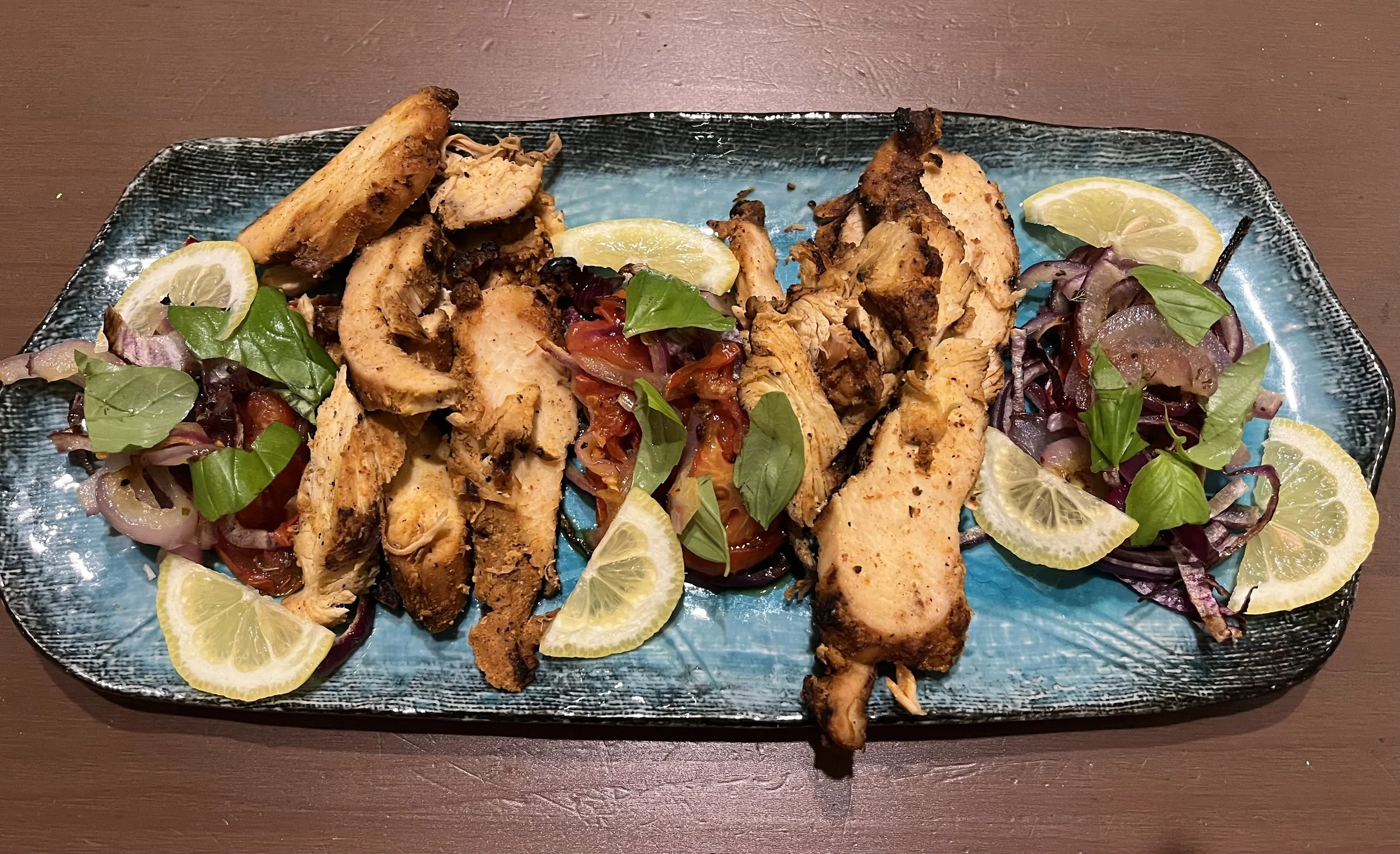
On busy days, we rely on easy options like air fryer chicken wings or a quick steak—especially for our daughter who needs a protein-rich meal around her training.
We don’t stick to just one type of protein. Rotating between eggs, meat, fish, dairy, and plant-based options ensures our family gets a wide range of nutrients without overcomplicating things.
Final Thoughts
Protein doesn’t have to be complicated.
Focus on:
Including it in every meal
Choosing higher-quality sources when possible
Keeping meals simple and realistic
That’s what works for us and what makes healthy eating sustainable for a busy family.
Frequently Asked Questions About Protein for Kids
How much protein do kids need?
Most kids get enough protein through a balanced diet. The focus should be on variety and including protein in each meal rather than tracking exact amounts.
What is the best protein source for kids?
There isn’t just one. Eggs, meat, fish, dairy, and plant-based sources all provide different nutrients, so variety is key.
Are plant-based proteins enough for kids?
Yes, when combined properly. Including a variety of plant-based sources like beans, lentils, and grains helps provide all essential amino acids.
What’s the easiest protein for busy days?
Eggs, yogurt, lentils, and quick-cook meats like chicken are some of the easiest options.
“One cannot think well, love well, sleep well, if one has not dined well.”
〰️
“One cannot think well, love well, sleep well, if one has not dined well.” 〰️
See my other Nutrition articles here:

← Back to: Home

Learn which carbohydrates support energy, focus, and recovery for your whole family — including how fiber works and how to use the glycemic index in everyday meals.