
How to choose carbohydrates that support energy, focus, and recovery for the whole family
Carbohydrates sometimes get a bad reputation, but in our family they are an essential part of everyday meals.
With two daughters who are physically active for over 10 hours a week, on top of daily PE at school, carbohydrates are what keep them going. The key is not to avoid carbs, but to choose the right ones.
In this guide, I’ll walk through the best carbohydrates for kids and families, how fiber supports energy and digestion, and how to use the glycemic index as a simple tool in everyday life.


Why Carbohydrates Matter for Kids and Active Families
Carbohydrates are the body’s primary source of energy, especially for the brain and muscles.
They support:
Energy levels throughout the day
Focus and concentration at school
Physical activity and endurance
Recovery after exercise
In our home, we don’t restrict carbohydrates. We build meals around them in a balanced way.
Best Carbohydrates for Family Meals
The best carbohydrates come from whole, minimally processed foods:
Vegetables
Fruits and berries
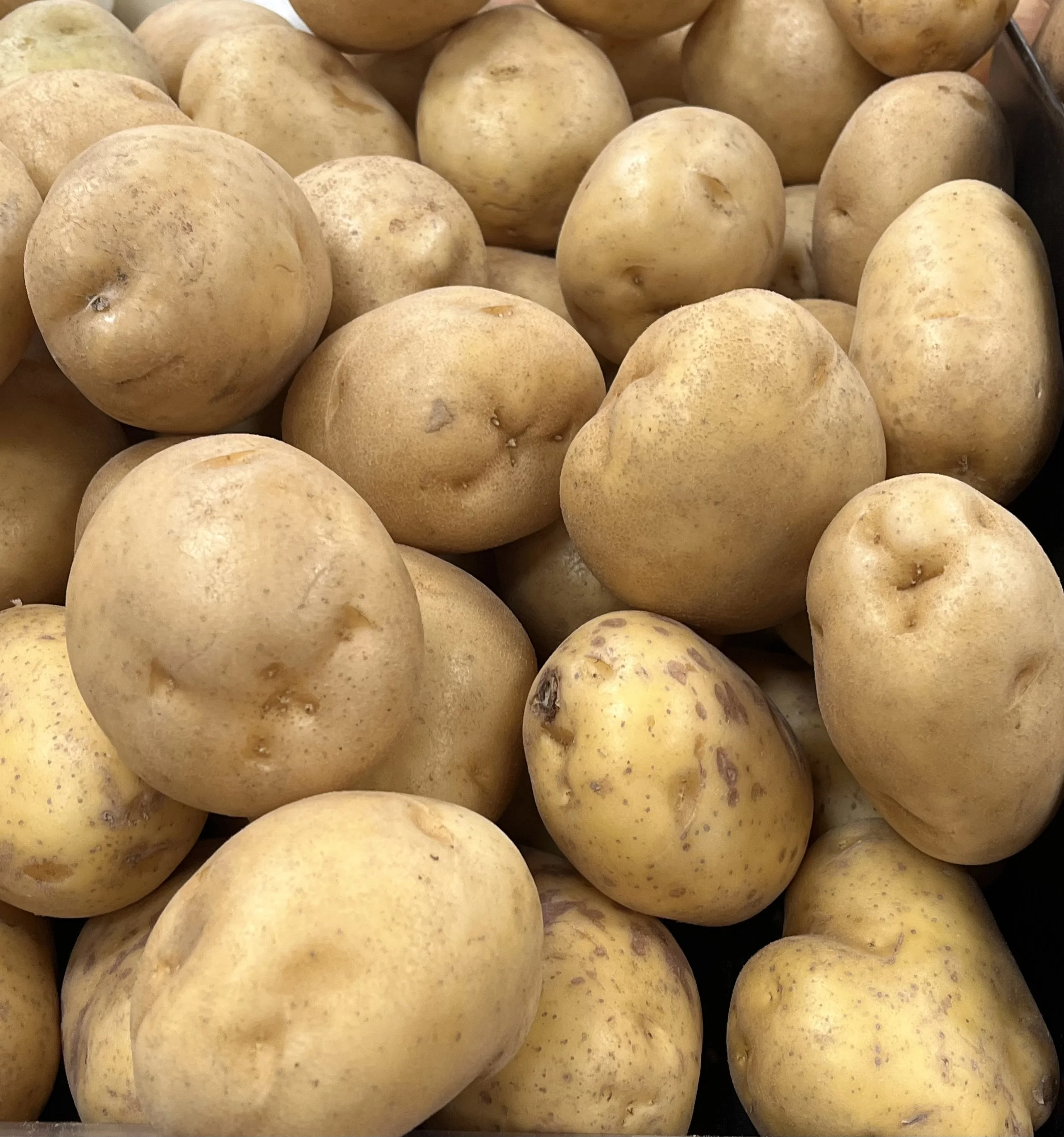
Potatoes
Rice
Whole grains
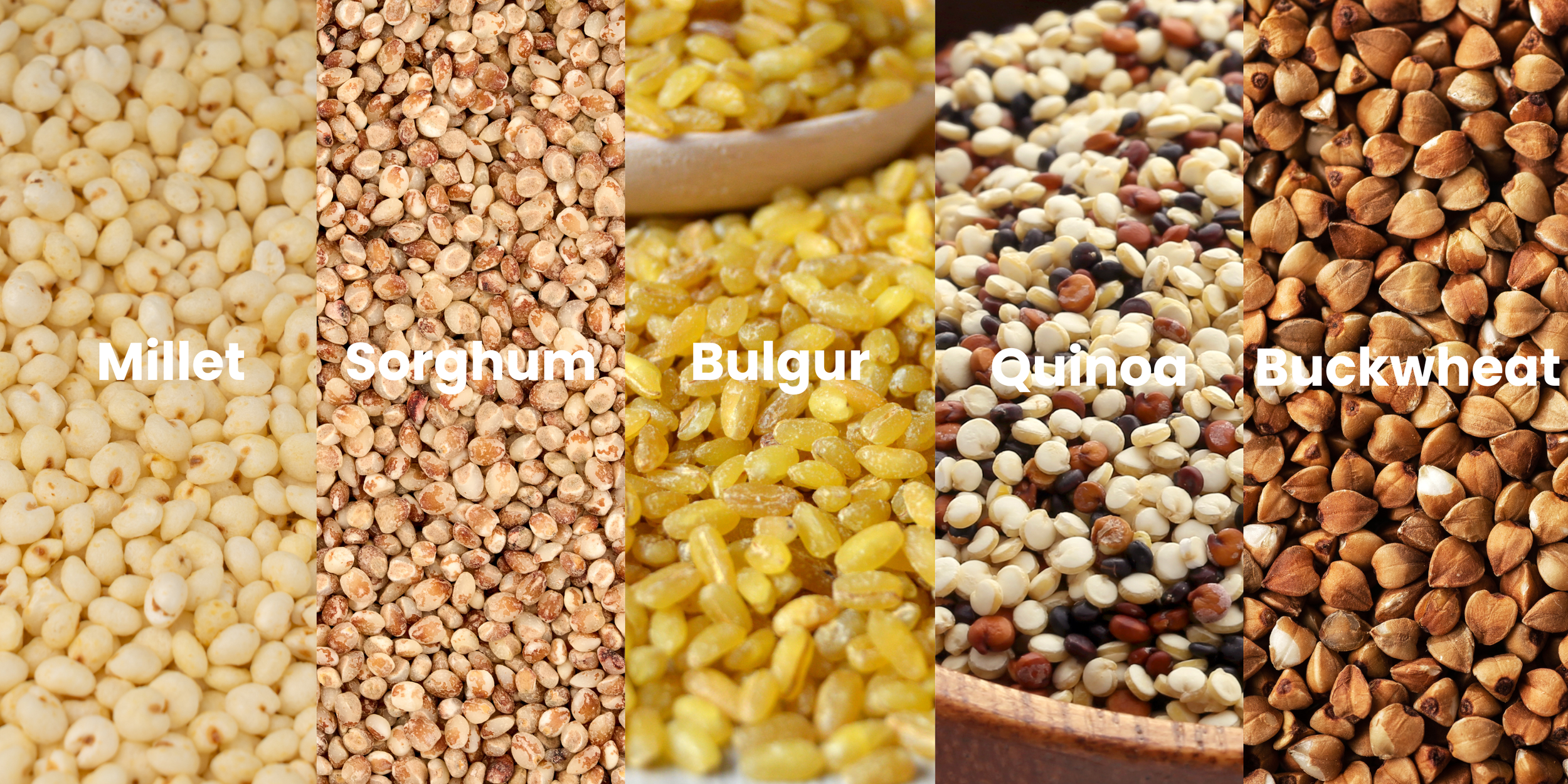
Millet: versatile, gluten-free and easy to digest, a whole grain rich in magnesium and B vitamins
Sorghum: gluten-free and very high in fiber, packed with antioxidants and protein
Bulgur: pre-cooked wheat that prepares quickly and is a good source of iron
Quinoa: gluten-free and the only plant-based complete protein
Buckwheat: gluten-free, easy to digest and full of flavonoids
These foods provide not just energy, but also fiber, vitamins, and minerals that highly processed carbs lack.
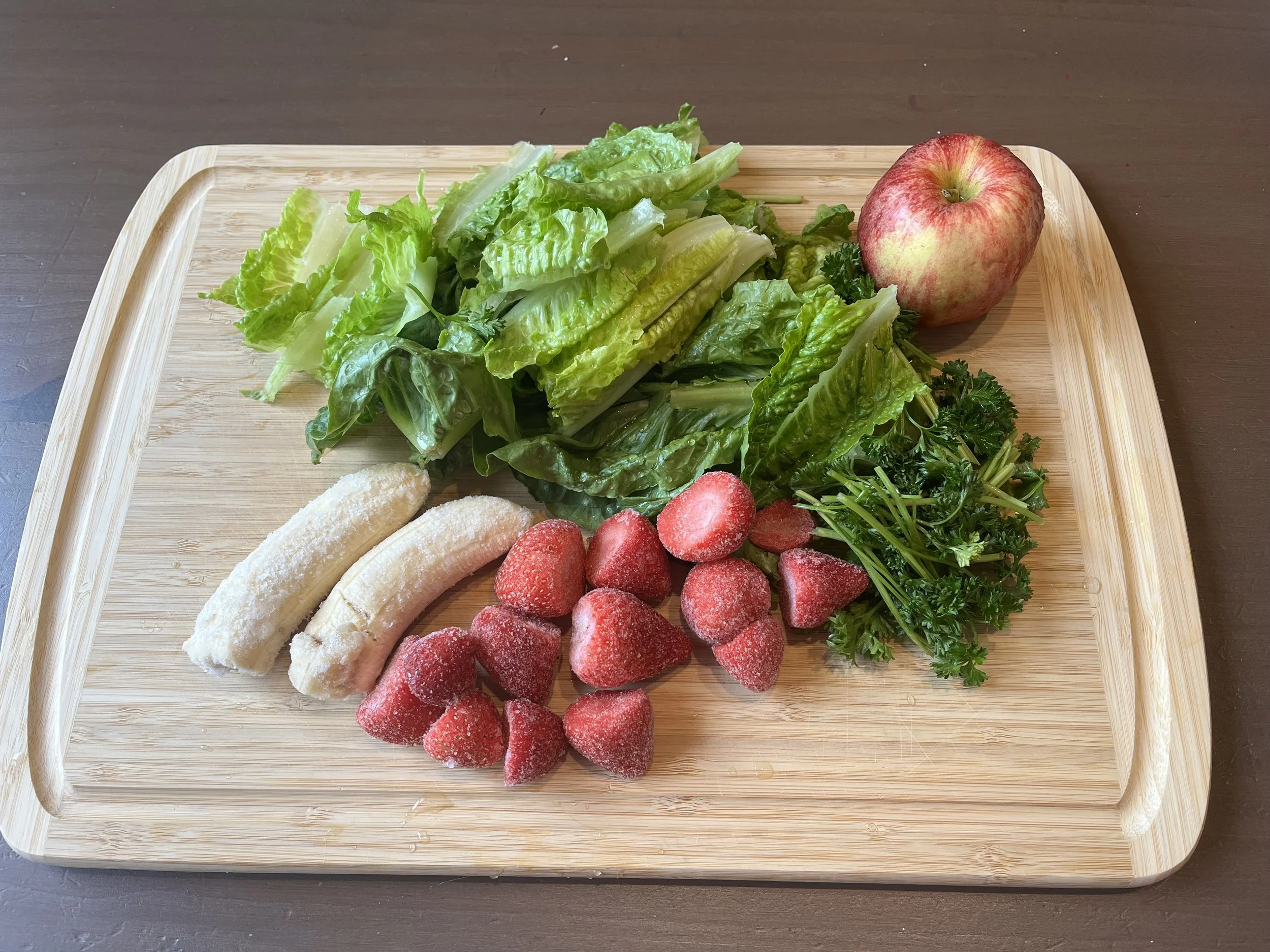
We make sure to include vegetables and leafy greens in every meal. They support digestion, overall well-being, and help keep energy levels steady. Vegetables are rich in vitamins, minerals, fiber, and antioxidants, and should be consumed at least 2–3 cups per day.
Why Cooled Potatoes and Rice Are Actually Better for You
When you cook potatoes or rice and let them cool down, the starch transforms into resistant starch. It behaves like soluble fiber in the body, feeds your gut bacteria, and significantly lowers the glycemic index, meaning you stay full longer and your blood sugar stays more stable.
In practice, rice or potatoes that spent the night in the fridge are actually a better choice the next day, both for your gut and your weight management. I often cook a bigger batch in advance for exactly this reason. And reheating doesn't destroy the resistant starch, so you can enjoy it warm too.
Bottom line: Build meals around whole carbohydrates, include vegetables daily, and favor resistant starch whenever you can.


Fiber for Digestion, Fullness, and Stable Energy
Fiber plays a key role in digestion, blood sugar balance, and keeping kids full between meals.
You’ll find fiber in:
Vegetables
Fruits and berries
Whole grains
Beans and lentils
Not all fiber works the same way. Soluble fiber is often gentler on the gut because it forms a gel-like substance and supports beneficial gut bacteria, whereas insoluble fiber is coarser and may irritate a sensitive digestive system.

Soluble Fiber
(gentler and more stabilizing)
Soluble fiber helps balance blood sugar and cholesterol levels.
Good sources include:
Oats
Berries
Apples
Beans
Sweet potatoes
Flaxseeds
Prunes
This is the type of fiber I try to include most in our family's meals. It keeps everyone fuller for longer and avoids the afternoon energy crashes.
Insoluble Fiber
Insoluble fiber can help move food through the digestive system and is found in:
Whole grains
Nuts and seeds
Carrots and cabbage
It’s important for overall health, but can be harder on sensitive stomachs.


Bottom line: Include both types, but lean toward soluble fiber for steady energy and easier digestion.
Understanding Glycemic Index (GI) and Glycemic Load (GL)
The effect of carbohydrates on blood sugar is described by the glycemic index (GI), which indicates how quickly a carbohydrate raises blood sugar levels. But GI alone doesn't tell the whole story as it doesn't take portion size into account. That's where glycemic load (GL) comes in. GL considers both the quality and the amount of carbohydrates in a meal, making it a more practical tool for everyday choices.
A good example is watermelon. Its GI is high, but because it contains so much water, a normal portion has very few carbohydrates. Its GL is therefore low, meaning it doesn't actually raise blood sugar significantly in practice. This is why we don't stress about individual foods, but look at the whole meal instead.
High-GI Foods
These raise blood sugar quickly:
Sugar and sweets
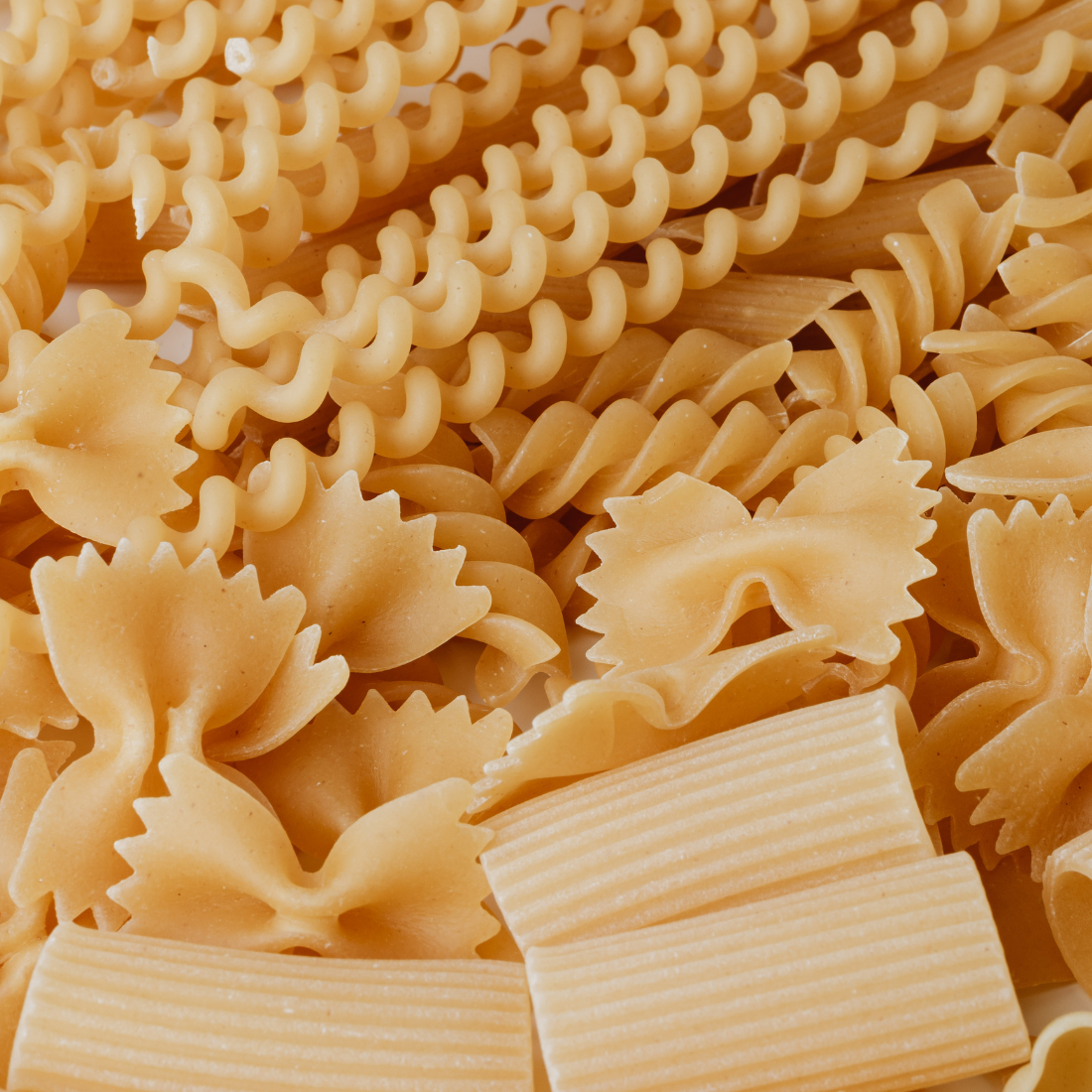
White bread, pasta, and rice
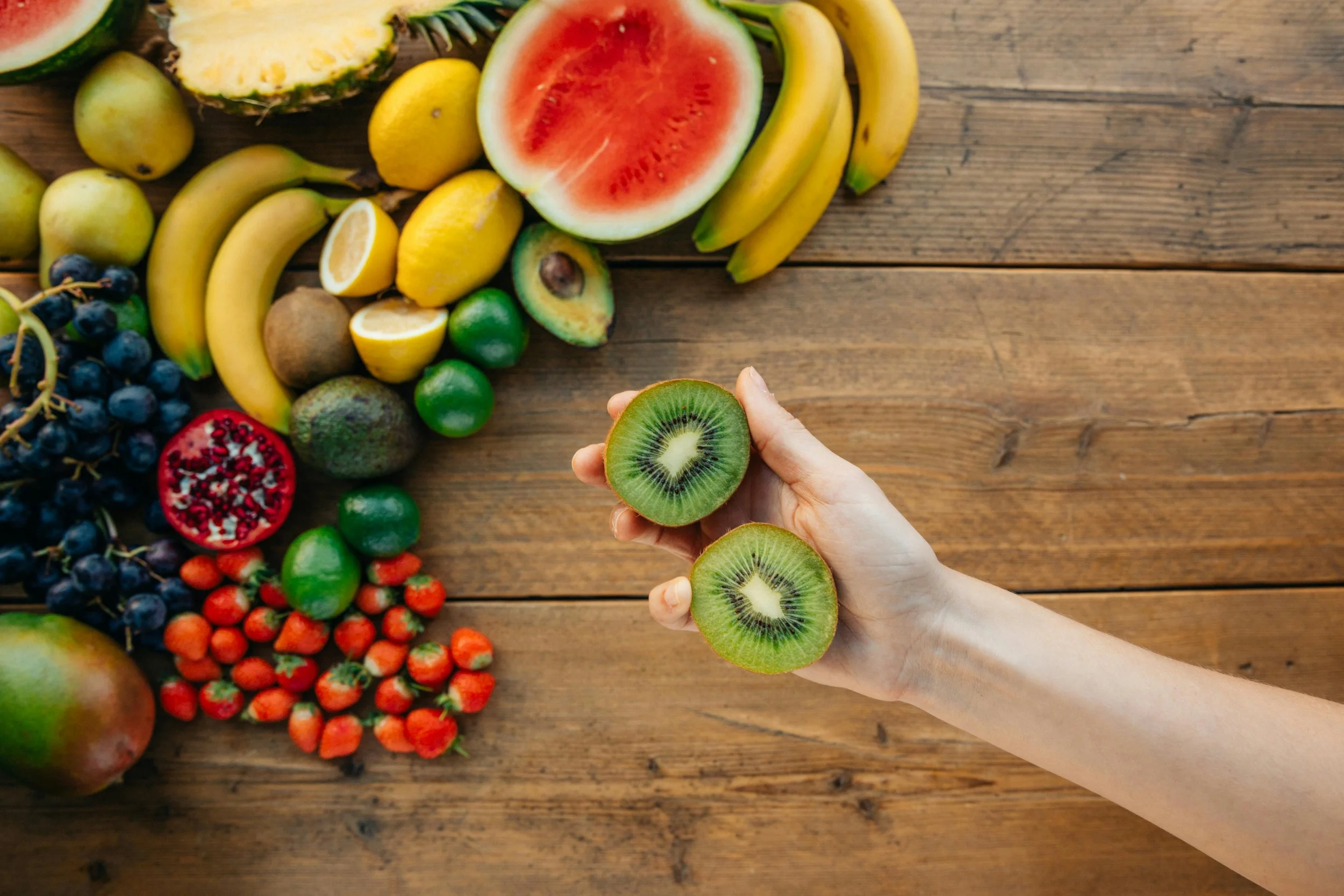
Some fruits like mango and grapes
Blood sugar rises quickly and drops quickly too. This often leads to quick energy, but also quick crashes and hunger. You know that feeling when kids come home from school starving, even though they ate not long ago? That's often high-GI foods at play.
Low-GI Foods

These release energy more slowly:
Berries
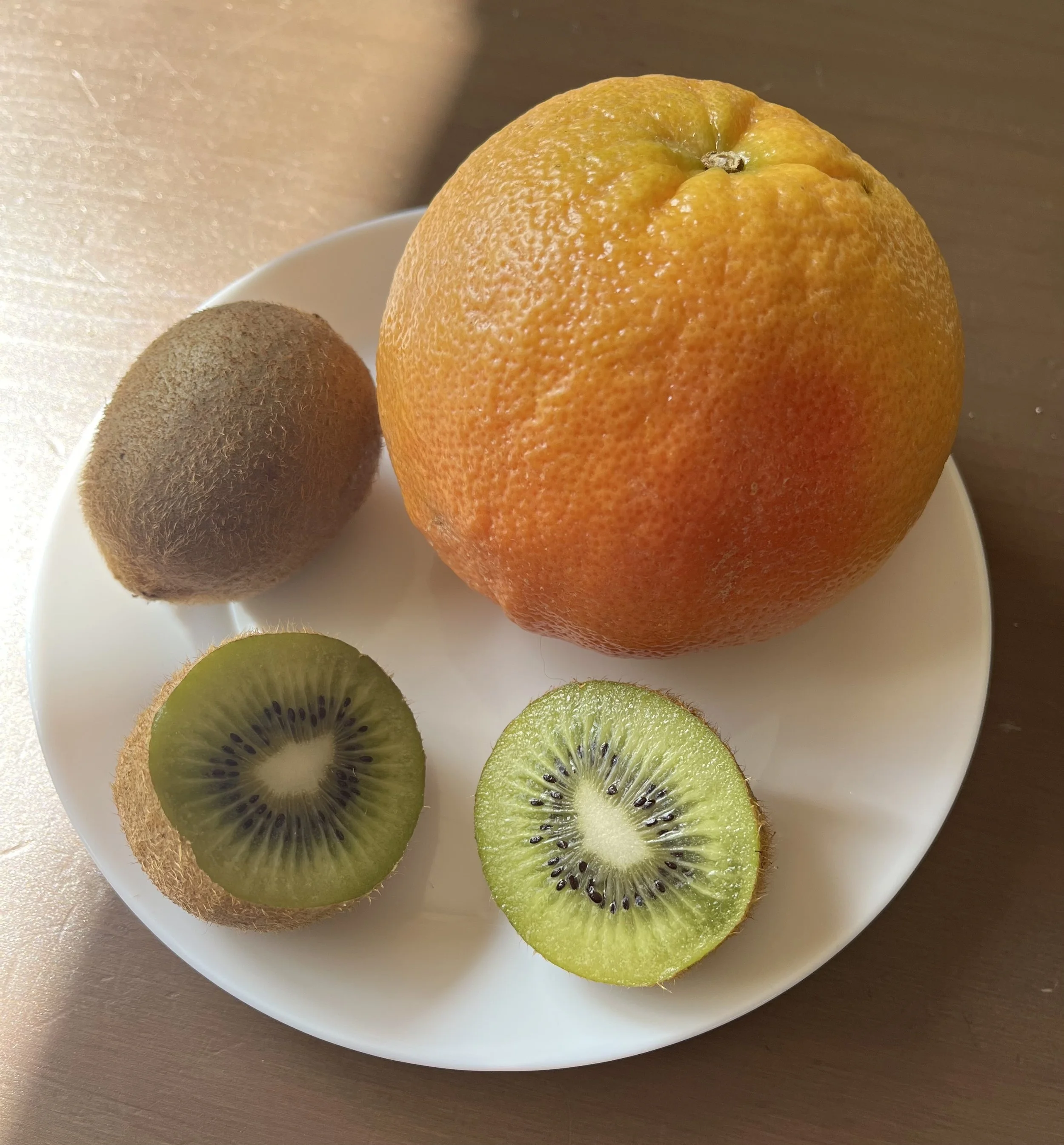
Kiwi and grapefruit
Whole grains
Beans and lentils
They help keep energy stable and fullness lasting longer. These are the carbohydrates we try to build most of our meals around.
Fruits can be tricky though. Some seem healthy but affect blood sugar more than you'd expect.
Here's a simple guide:
High GI, High GL
Enjoy in moderation:
Grapes
Mango
Ripe banana
Low GI, Low GL
Best everyday choices:
Berries
Apple
Kiwi
Grapefruit
Dried prunes
Simple Tip That Works in Real Life
You don’t need to avoid high-GI foods completely.
Instead, pair them with:
Protein
Healthy fats
Fiber
For example:
White bread on its own → quick spike
White bread with avocado and egg → much more stable energy

How We Use Carbohydrates in Our Family
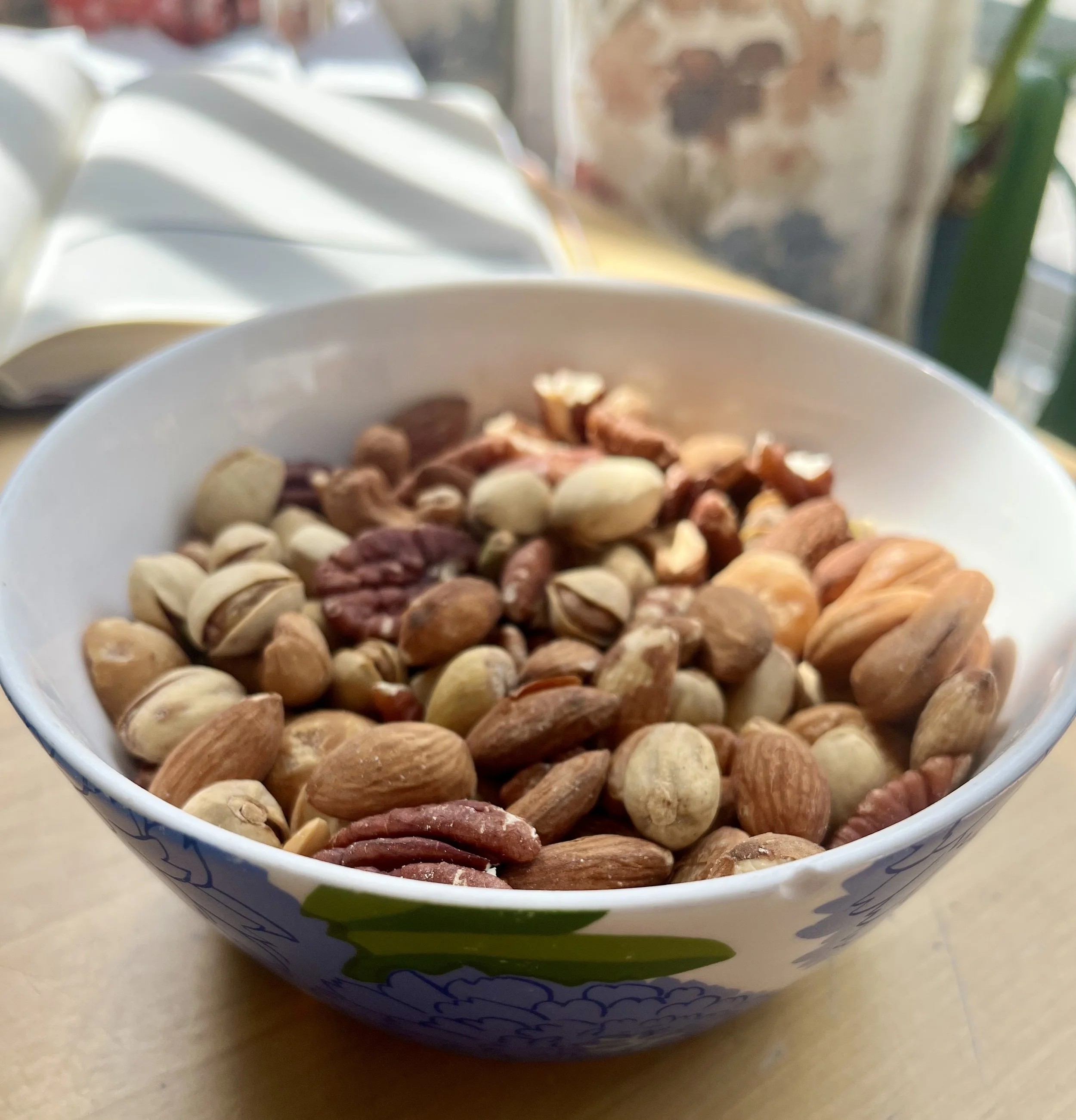
In everyday life, we keep things simple, and we don’t follow strict rules. But we do try to make sure that the carbohydrates in our meals come mostly from whole sources: oats or sourdough bread at breakfast, rice, lentil pasta or potatoes at dinner, sourdough bread or rice and greens for lunch, and green smoothie, berries and nuts as snacks.


Simple Carbohydrate Meal Ideas for Families
Some of our go-to meals include:
Oatmeal with seeds, berries, and yogurt
Fried rice with egss and vegetables
Sardine tomato pasta with broccoli
Soup with homemade bread
Potatoes with fish or meat
These are simple, everyday meals, nothing complicated.
The goal is just to make sure carbohydrates are working for your family, not against it.
Final Thoughts
Carbohydrates are not the problem, but quality and balance are.
Focus on:
Choosing whole, minimally processed carbs
Including fiber-rich foods (focus on soluble fibers)
Pairing carbs with protein and fats
Keeping meals simple and realistic
That’s what supports steady energy for both kids and adults.

Frequently Asked Questions About Carbs for Kids
Are carbohydrates healthy for kids?
Yes. Carbohydrates are essential for energy, growth, and brain function. The focus should be on choosing whole, nutrient-rich sources.
What are the best carbs for kids?
Whole grains, fruits, berries, potatoes, and rice are some of the best options. These provide energy along with fiber and nutrients.
Should kids avoid sugar completely?
No. It’s more about balance. Occasional treats are fine, especially when most meals are built around whole foods.
How do you keep kids full longer?
Combine carbohydrates with protein, healthy fats, and fiber. This helps slow digestion and keeps energy levels more stable.
What causes energy crashes in kids?
Highly processed carbohydrates and sugary foods - even some fruits - can cause quick spikes and drops in blood sugar, leading to fatigue and hunger.
“One cannot think well, love well, sleep well, if one has not dined well.”
〰️
“One cannot think well, love well, sleep well, if one has not dined well.” 〰️
See my other Nutrition articles here:


If your child does a lot of sports, you might also be interested in:

When my daughter started training over 10 hours a week, we had no idea her body was quietly running on empty. Here's our long road to a RED-S diagnosis, what recovery looked like, and what I wish I'd known sooner.

← Back to: Home

A practical guide to the best protein sources for active kids and families — eggs, meat, fish, dairy, and plant-based options, plus what those confusing labels actually mean.